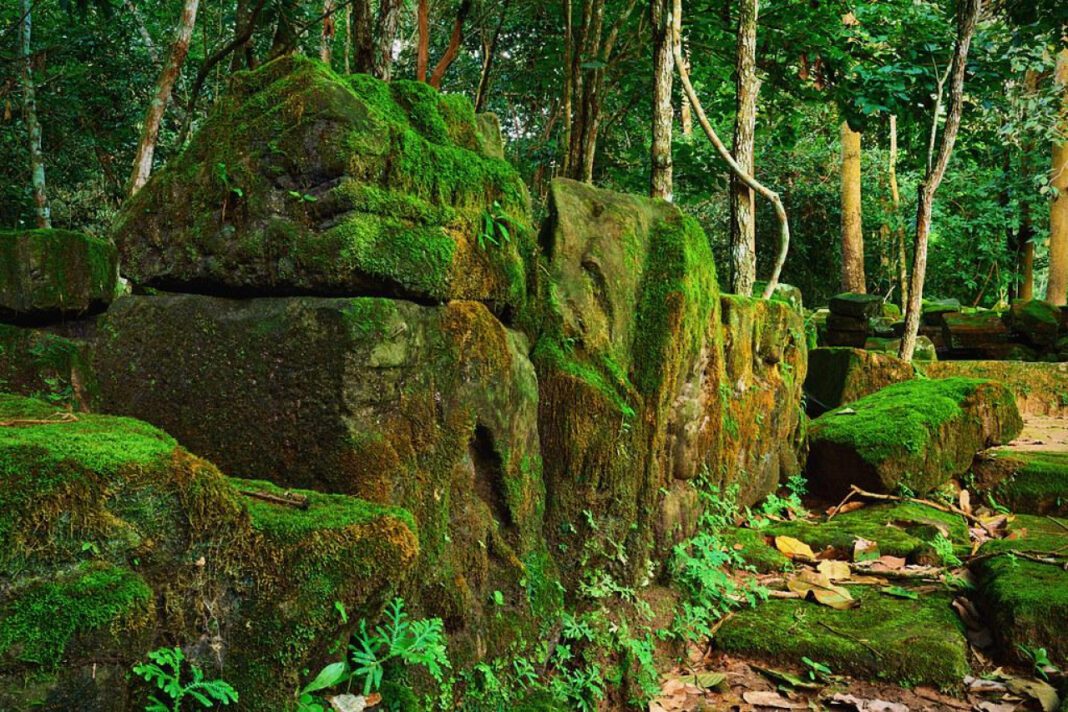
The Cambodian Buddhist temple, also known as a wat, is a place of worship and spiritual refuge for followers of Buddhism in Cambodia. These temples are an integral part of Cambodian culture and society, serving as the center for religious ceremonies, community gatherings, and educational activities. With their unique architecture, intricate decorations, and serene atmosphere, Cambodian Buddhist temples attract visitors from all over the world who are drawn to their beauty and spiritual significance. In this article, we will explore the history, significance, and features of Cambodian Buddhist temples, shedding light on their importance in the country’s religious and cultural landscape. The Cambodian Buddhist Temple in the United States is a symbol of the rich cultural heritage and spiritual traditions of the Cambodian people. The history of Cambodian Buddhist temples in the United States dates back to the 1970s when many Cambodians fled their country during the Khmer Rouge regime. These temples serve as a source of spiritual guidance, community support, and cultural preservation for Cambodian immigrants and their descendants in the United States.
Cambodian Buddhist temples in the United States are known for their distinctive architectural features, which reflect the unique Cambodian style of temple design. Some of the prominent architectural features of Cambodian Buddhist temples include:
– Ornate roof structures with multiple tiers
– Intricate carvings and sculptures depicting Buddhist deities and symbols
– Elaborate entrance gates adorned with colorful designs
The role of Cambodian Buddhist temples in community support and outreach is vital in providing spiritual guidance, cultural education, and social services to the Cambodian community in the United States. These temples offer various programs and events, such as meditation classes, language classes, and community gatherings, to support and unite the Cambodian community in the United States.
When visiting a Cambodian Buddhist temple, it is essential to adhere to certain etiquette guidelines to show respect for the temple and its religious practices. Some common visiting and etiquette guidelines for Cambodian Buddhist temples include:
– Dress modestly and respectfully, covering shoulders and knees
– Remove shoes before entering the temple hall
– Avoid pointing feet towards the Buddha statue or monks
– Refrain from loud talking or disruptive behavior
– Seek permission before taking photographs or participating in temple rituals
Visitors should also be mindful of the sacredness of the temple grounds and the religious practices observed by the temple community.
Q&A
Q: What is a Cambodian Buddhist temple?
A: A Cambodian Buddhist temple is a place of worship for Buddhists in Cambodia, typically characterized by its unique architectural design and rich cultural significance.
Q: What are some key features of Cambodian Buddhist temples?
A: Cambodian Buddhist temples are often adorned with intricate carvings, elaborate decorations, and vibrant colors. They also typically feature a central sanctuary or stupa where religious rituals and ceremonies take place.
Q: What is the significance of Cambodian Buddhist temples in the local community?
A: Cambodian Buddhist temples serve as important community centers where people gather for religious practices, festivals, and social events. They also play a key role in preserving and promoting Cambodian cultural and religious traditions.
Q: Are Cambodian Buddhist temples open to visitors?
A: Yes, many Cambodian Buddhist temples are open to visitors and tourists who are respectful of the religious practices and customs observed within the temple grounds.
Q: How are Cambodian Buddhist temples different from other Buddhist temples in the region?
A: Cambodian Buddhist temples are distinct in their architectural style, influenced by Khmer and Hindu culture. They also incorporate unique rituals and practices that reflect the specific traditions of Cambodia.
Q: What is the historical significance of Cambodian Buddhist temples?
A: Cambodian Buddhist temples have played a significant role in the country’s history, serving as centers of education, spirituality, and resistance during periods of political and social upheaval.
Q: How can one show respect when visiting a Cambodian Buddhist temple?
A: Visitors should adhere to the dress code, remove their shoes before entering the temple buildings, and show reverence for sacred objects and religious ceremonies. Additionally, it is important to ask for permission before taking photographs. In conclusion, the Cambodian Buddhist temple is a vibrant and sacred place for Cambodian Buddhists to come together to worship, meditate, and celebrate their cultural and religious traditions. With its stunning architecture, intricate carvings, and rich history, the temple is a testament to the enduring strength and resilience of the Cambodian people. Whether you are a Buddhist looking to connect with your faith or simply a visitor interested in learning more about Cambodian culture, a visit to the Cambodian Buddhist temple is sure to be a meaningful and enlightening experience.

