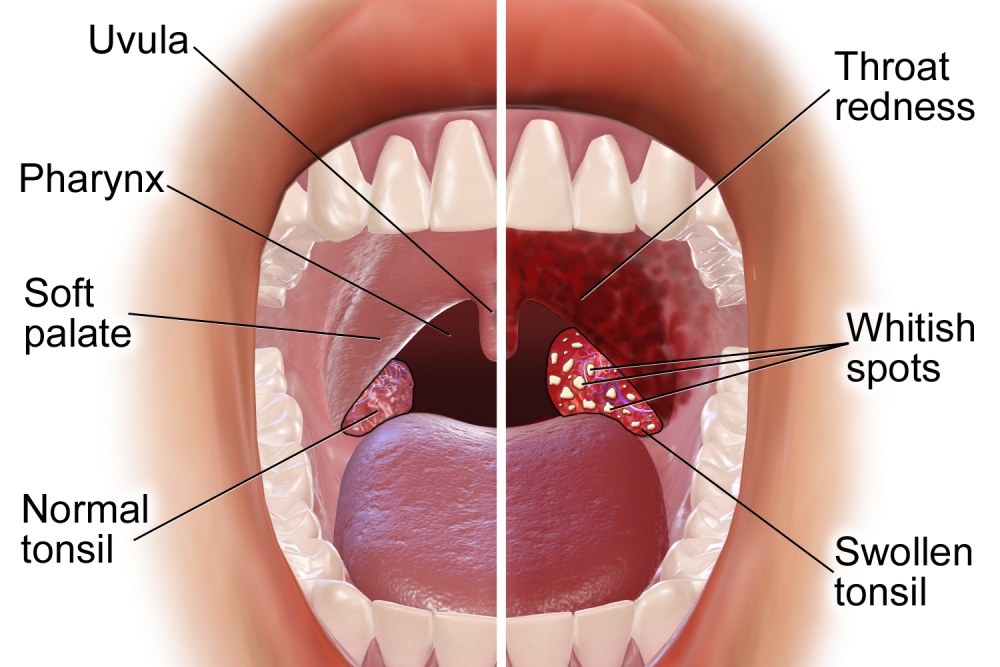
White spots on the tonsils can be a sign of infection, and if left untreated, may cause more serious health issues. If you notice white spots on your tonsils, it is important to make an appointment with your doctor to determine the cause and receive appropriate treatment.
What are White Spots on Tonsils
White spots on the tonsils are an indication of a medical condition known as tonsillitis. Tonsillitis is caused when bacteria or viruses infect the tonsils and cause inflammation of the tissue. The white spots that form on the surface of the tonsils are typically a result of pus-filled pockets, which develop due to infection.
Importance of understanding the causes, symptoms, and treatment
It is important to understand the causes, symptoms, and treatment of white spots on the tonsils in order to properly diagnose and treat any underlying medical conditions. If left untreated, the infection can spread to other parts of the body or become more severe.
Causes of white spots on tonsils
Bacterial infections
1. Streptococcal infection (Strep throat)
Streptococcal infection, more commonly known as Strep throat, is a common cause of white spots on the tonsils. This type of infection is caused by Streptococcus bacteria and is highly contagious. Symptoms of strep throat include sore throat, fever, swollen lymph nodes in the neck, headache, and white spots on the tonsils.
2. Tonsillitis
Tonsillitis is another common cause of white spots on the tonsils. It is an infection of the tonsils caused by either a virus or bacteria. Symptoms of tonsillitis include sore throat, difficulty swallowing, fever, swollen lymph nodes in the neck, and white spots on the tonsils.
Viral infections
1. Mononucleosis
Mononucleosis, commonly referred to as mono, is a viral infection that can cause white spots on the tonsils. Symptoms of mono include sore throat, fever, swollen lymph nodes in the neck, and extreme fatigue. In some cases, white spots may be present on the tonsils.
2. Herpes simplex virus
Herpes simplex virus (HSV) is another type of viral infection that can cause white spots on the tonsils. HSV is usually spread by direct contact with an infected person or through sharing objects such as eating utensils, towels, and razors.
Fungal infections
1. Candidiasis (oral thrush)
Candidiasis, also known as oral thrush, is a fungal infection that can cause white spots on the tonsils. This type of infection is caused by the fungus Candida albicans and is most common in individuals with weakened immune systems.
Chronic tonsil stones
Chronic tonsil stones are a type of recurring infection that can cause white spots on the tonsils. These stones are formed when debris collects in the crevices of the tonsils and becomes infected. Symptoms of chronic tonsil stones include sore throat, difficulty swallowing, bad breath, and white spots on the tonsils.
Poor oral hygiene
Poor oral hygiene can be a contributing factor to the development of white spots on the tonsils. Bacteria and other microorganisms can build up in the mouth if hygiene is not properly maintained, leading to an increased risk of infection. Inadequate brushing and flossing can allow bacteria and food particles to remain in the mouth, resulting in an environment that is conducive to infection. To prevent white spots on the tonsils, it is important to maintain good oral hygiene by brushing and flossing twice a day.
Allergies
Allergies can also be a cause of white spots on the tonsils. Allergic reactions can occur when an allergen such as pollen, dust mites, or pet dander enters the body and triggers an immune system response. Symptoms of allergies include sore throat, itchy eyes, runny nose, and white spots on the tonsils.
Smoking or tobacco use
Smoking or using tobacco products can also be a cause of white spots on the tonsils. When someone smokes or uses tobacco, they inhale a variety of chemicals which can irritate and damage the lining of the throat. This can lead to swelling and inflammation, as well as white spots on the tonsils.
Symptoms of white spots on tonsils
White or yellowish spots or patches on the tonsils
White or yellowish spots or patches on the tonsils can be a sign of various diseases, infections, and conditions.
Sore throat
Sore throat is a common symptom of white spots on the tonsils and can be caused by a number of conditions. Infections such as strep throat, mononucleosis, and herpes simplex virus can all cause sore throats along with the presence of white spots on the tonsils.
Difficulty swallowing
Difficulty swallowing is another symptom associated with white spots on the tonsils. This symptom can be caused by a variety of conditions including bacterial, viral, and fungal infections as well as chronic tonsil stones and allergies. In some cases, these conditions may cause swelling and inflammation in the throat which can lead to difficulty swallowing.
Swollen tonsils
Swollen tonsils can be a symptom of white spots on the tonsils. This symptom is often caused by bacterial or viral infections, such as strep throat and mononucleosis. Fungal infections, such as candidiasis (oral thrush), can also cause swollen tonsils.
Bad breath
Bad breath is a common symptom of white spots on the tonsils and can be caused by various conditions. Bacterial infections such as strep throat, viral infections such as mononucleosis, fungal infections such as candidiasis (oral thrush), chronic tonsil stones, allergies, and smoking or tobacco use can all cause bad breath.
Earaches
Earaches can also be a symptom of white spots on the tonsils. Infections such as strep throat and mononucleosis can cause earaches, as well as inflammation in the throat which can lead to difficulty swallowing.
Fever
Fever can also be a symptom of white spots on the tonsils. Bacterial and viral infections such as strep throat and mononucleosis can cause fevers, as well as inflammation in the throat which can lead to difficulty swallowing. Allergies can also cause fevers due to an increase in body temperature caused by an immune system response.
Fatigue
Fatigue is another symptom associated with white spots on the tonsils and can be caused by various conditions. Bacterial infections such as strep throat, viral infections such as mononucleosis, fungal infections such as candidiasis (oral thrush), chronic tonsil stones, allergies, and smoking or tobacco use can all cause fatigue.
Diagnosing white spots on tonsils
Physical examination
Diagnosing white spots on the tonsils typically begins with a physical exam, which can involve a visual examination of the throat and tonsils to check for any spots or discolouration. A doctor may also use instruments such as an otoscope to view the inside of the throat and look for any signs of inflammation or infection.
Throat swab for laboratory testing
A throat swab is often used to diagnose white spots on the tonsils. During a throat swab, a doctor or nurse will use a cotton swab to collect cells from the back of the throat and may also take samples of saliva or mucus.
Blood tests
Blood tests may also be used to diagnose white spots on the tonsils. During a blood test, a sample of the patient’s blood is collected and sent to a laboratory for testing. The laboratory will analyze the sample for any signs of infection or inflammation, such as an elevated white blood cell count which can indicate a bacterial infection.
Treatment options for white spots on tonsils
Antibiotics for bacterial infections
Bacterial infections such as strep throat and mononucleosis can cause white spots on the tonsils, and are typically treated with antibiotics. Depending on the type of bacterial infection, a doctor may prescribe oral or topical antibiotics to help fight off the infection.
Antiviral medications for viral infections
Viral infections such as mononucleosis can also cause white spots on the tonsils, and are typically treated with antiviral medications. Depending on the type of viral infection, a doctor may prescribe oral or topical antivirals to help fight off the virus.
Antifungal medications for fungal infections
Fungal infections such as candidiasis (oral thrush) can also cause white spots on the tonsils, and are typically treated with antifungal medications. Depending on the type of fungal infection, a doctor may prescribe oral or topical antifungals to help fight off the infection.
Gargling with saltwater
Gargling with saltwater can be an effective treatment option for white spots on the tonsils. This method helps to reduce inflammation and irritation in the throat, as well as flush out any bacteria or viruses that may be causing the spots.
Over-the-counter pain relievers
Over-the-counter pain relievers such as ibuprofen and acetaminophen can help to reduce discomfort associated with white spots on the tonsils. These medications can help to alleviate soreness in the throat and reduce inflammation, allowing for more comfortable swallowing and talking.
Maintaining good oral hygiene
Practicing good oral hygiene is important for preventing the development of white spots on the tonsils. This includes brushing twice daily with a soft-bristled toothbrush, flossing regularly, and using an antiseptic mouthwash.
Surgical removal of the tonsils (tonsillectomy)
In certain cases, a tonsillectomy may be necessary to remove white spots on the tonsils. During a tonsillectomy, a surgeon will use special instruments to remove the tonsils and any surrounding tissue that is affected by white spots.
Prevention of white spots on tonsils
Practicing good oral hygiene
Practicing good oral hygiene is an important part of preventing the development of white spots on the tonsils. Brushing and flossing twice daily with a soft-bristled toothbrush helps to remove food particles, plaque, and bacteria that can lead to infection.
Avoiding smoking or tobacco use
Smoking or chewing tobacco can increase the risk of developing white spots on the tonsils, as well as other oral health issues. To reduce this risk, it is important to avoid smoking or the use of any type of tobacco product.
Strengthening the immune system
Strengthening the immune system is an important part of preventing white spots on the tonsils. Eating a healthy diet and exercising regularly can help to boost the body’s natural defenses against infection. Additionally, getting plenty of rest and managing stress levels can help to strengthen the immune system and reduce the risk of developing white spots on the tonsils.
Vaccinations for preventing certain infections
Certain vaccinations can help to prevent the infections that can cause white spots on the tonsils. For example, getting vaccinated against the bacteria Streptococcus pyogenes, which can cause strep throat, can reduce the risk of developing white spots caused by this particular infection.
When to seek medical help
Persistent white spots on tonsils
Although white spots on the tonsils may resolve without medical intervention, persistent white spots may indicate an underlying infection that requires medical attention. If the white spots do not go away after a few days or become larger, it is important to seek medical help.
Severe throat pain or difficulty swallowing
Severe throat pain or difficulty swallowing can be a symptom of an underlying infection that is causing white spots on the tonsils and should not be ignored. If an individual experiences these symptoms, it is important to seek medical attention as soon as possible.
Symptoms worsen or do not improve within a few days
If symptoms associated with white spots on the tonsils worsen or do not improve within a few days, it is important to seek medical attention. Symptoms such as fever, severe throat pain, difficulty swallowing, and swollen lymph nodes can indicate an underlying infection that requires treatment.
Conclusion
White spots on the tonsils can be caused by a variety of factors, ranging from oral hygiene issues to underlying infections. Practicing good oral hygiene, avoiding smoking or tobacco use, strengthening the immune system, and getting necessary vaccinations can help to reduce the risk of developing white spots on the tonsils.

