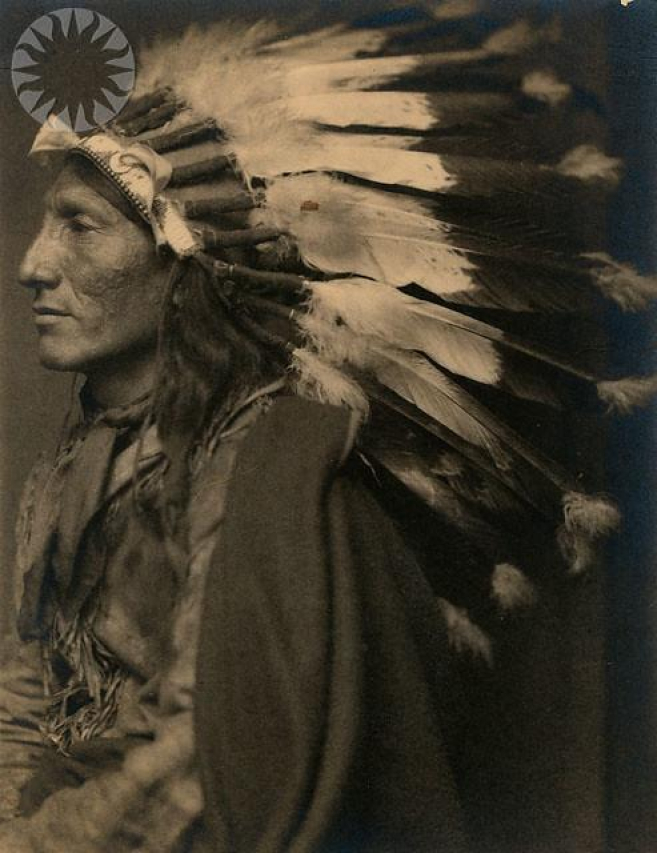
The stories and legends of Native American monsters have been passed down through generations, terrifying and captivating countless listeners with their power and mystique. Each tribe and culture has its own unique and terrifying creatures, from shape-shifting spirits to massive, bloodthirsty beasts. These monsters serve as both warnings and explanations for the world around them, and their presence in the oral traditions of Native American communities is a testament to the importance of storytelling in these cultures. Join us as we explore the rich and chilling world of Native American monsters, and learn about the enduring impact they have had on their communities.
Table of Contents
- Meeting the Fearsome Wendigo: A Closer Look at this Native American Monster
- The Haunting Legend of Skinwalkers: Unraveling the Terrifying Secrets of Navajo Folklore
- Tales of the Nightmarish Thunderbird: Exploring the Mythical Power of this Native American Creature
- Guarding Against the Mysterious Water Monsters: Understanding the Legends of Indigenous Tribes of the Great Lakes Region
- Confronting the Otherworldly Shape-Shifters: Delving into the Intriguing Stories of Native American Werewolves
- Q&A
- Closing Remarks
Meeting the Fearsome Wendigo: A Closer Look at this Native American Monster
Throughout Native American folklore, there are numerous terrifying creatures that have been passed down through generations. One of the most fearsome of these monsters is the Wendigo, a creature believed to have originated from the Algonquian people of North America. This malevolent being is said to be a cannibalistic spirit, often associated with hunger, cold, and the wilderness. In some legends, encountering a Wendigo brings certain death, while in others, the creature is a symbol of greed and moral corruption.
Stories of the Wendigo have struck fear into the hearts of Native American tribes for centuries. The creature is often described as a towering beast with a skeletal frame, glowing eyes, and sharp claws. Its presence is said to bring about a bone-chilling sense of dread, and its howling cry is said to haunt those who have the misfortune of encountering it. The Wendigo is a fascinating and terrifying figure that continues to capture the imagination of many, serving as a cautionary tale of the dangers of greed and the consequences of succumbing to primal urges.
The Haunting Legend of Skinwalkers: Unraveling the Terrifying Secrets of Navajo Folklore
The legend of the Skinwalkers is deeply rooted in the rich folklore of the Navajo people, instilling fear and fascination for generations. According to Navajo tradition, Skinwalkers are malevolent witches with the ability to shapeshift into animals at will. It is believed that they use this dark power to terrorize and harm those around them. The mere mention of Skinwalkers sends shivers down the spines of those familiar with Navajo folklore, as they are said to possess unimaginable powers and bring about unspeakable horrors.
The Skinwalkers are said to have the ability to transform into any animal, allowing them to move undetected and carry out their sinister deeds. Many believe that these creatures are relentless in their pursuit of causing harm and chaos. Despite the chilling nature of the legend, the Navajo people speak of Skinwalkers in hushed tones, recognizing the potency of their tales and the inherent danger posed by these malevolent beings. The legend of the Skinwalkers serves as a cautionary tale, reminding all who hear it of the mysterious and unpredictable forces that exist in the world. Even in modern times, the legend of the Skinwalkers continues to captivate and terrify, perpetuating the enduring legacy of Navajo folklore.
Tales of the Nightmarish Thunderbird: Exploring the Mythical Power of this Native American Creature
The Native American folklore is rich with tales of mythical creatures that have been passed down through generations. One such creature that has captured the imagination of many is the Thunderbird. Described as a giant bird with incredible powers, the Thunderbird is a prominent figure in various Native American cultures, including the Ojibwe, Ho-Chunk, and Menominee tribes. The legend of the Thunderbird has been a source of fascination and fear for centuries, with stories of its immense size and ability to bring thunder and lightning with the flapping of its wings.
According to legend, the Thunderbird was a symbol of power and strength, revered by many Native American tribes. It was believed to possess the ability to control the weather and bring both blessings and destruction to those it encountered. Many tales speak of the Thunderbird’s role as a protector, watching over the land and its people, while others tell of its wrath and ferocity in the face of danger. The mythical nature of the Thunderbird has made it a captivating figure in Native American folklore, with its influence extending far beyond the realms of mythology.
Guarding Against the Mysterious Water Monsters: Understanding the Legends of Indigenous Tribes of the Great Lakes Region
Legends of water monsters have long been a part of the rich oral tradition of Indigenous tribes in the Great Lakes region. These mysterious and elusive creatures have sparked fear and fascination for centuries, with stories of their existence being passed down through generations. The legends of these native American monsters serve as cautionary tales, warning people to respect the power and mystery of the natural world.
One such creature is the Mishipeshu, a water lynx or underwater panther, known for its supernatural powers and ability to control the water. According to Ojibwe legend, the Mishipeshu resides in the depths of Lake Superior, guarding the copper deposits found within the lake. Another well-known water monster is the Waugal, a serpent-like creature that inhabits the rivers and lakes of the Great Lakes region, as told by the Anishinaabe and other tribes. These legends serve as a reminder of the deep spiritual connection that Indigenous peoples have with the land and the importance of living in harmony with nature.
Understanding the Legend of the Water Monsters
These fascinating stories offer insight into the cultural beliefs and values of the Indigenous tribes of the Great Lakes region. They highlight the significance of storytelling as a means of preserving history and passing down traditional knowledge. Understanding and respecting these legends can help to bridge the gap between different cultures and foster a deeper appreciation for the unique perspectives and experiences of Indigenous communities.
Confronting the Otherworldly Shape-Shifters: Delving into the Intriguing Stories of Native American Werewolves
The Native American folklore is replete with terrifying tales of mythical creatures that haunt the wilderness. Among these, one of the most fascinating and fearsome is the legend of the shape-shifting werewolves. These creatures are said to possess the ability to transform from human to wolf at will, and are often associated with powerful magic and dark forces.
The stories of Native American werewolves vary from tribe to tribe, with each culture adding its own unique twist to the legend. Some tribes believe that these creatures are guardians of the natural world, while others view them as malevolent beings that bring nothing but doom and despair. Regardless of the specific details, the overarching theme of these tales is that the werewolves are to be feared and respected in equal measure.
One particularly chilling aspect of the Native American werewolf legend is the idea that these creatures could be anyone – a friend, a neighbor, or even a family member. This element of uncertainty adds a layer of paranoia to the stories, as people never know who might be harboring a dark and dangerous secret. The fear of the unknown and the potential for betrayal make the stories of Native American werewolves both thrilling and deeply unsettling. In the end, whether one views these creatures as benevolent protectors or malevolent monsters, the tales of Native American werewolves serve as a reminder of the power of the natural world and the mysteries that lie within it.
Q&A
Q: What are some of the most well-known Native American monsters?
A: Some of the most well-known Native American monsters include the Wendigo, a malevolent creature from Algonquian folklore, and the skinwalker, a shape-shifting being from Navajo mythology.
Q: How do these monsters fit into Native American culture?
A: These monsters are deeply embedded in Native American culture, often serving as cautionary tales or as representations of evil forces that threaten the harmony of the natural world.
Q: Are there any variations of these monsters within different tribes?
A: Yes, there are variations of these monsters within different tribes. For example, the Wendigo is known by different names and variations among various Algonquian-speaking tribes.
Q: How have these monsters been portrayed in popular culture?
A: These monsters have been portrayed in various forms of popular culture, often depicted as terrifying and malevolent beings. However, it’s important to note that these representations don’t always align with their original cultural significance.
Q: What can we learn from Native American stories about these monsters?
A: Native American stories about these monsters often carry important moral lessons and teachings about respecting nature, the consequences of greed and gluttony, and the importance of maintaining harmony within the natural world.
Q: How can we ensure that these monsters are portrayed respectfully in mainstream media?
A: It’s crucial for mainstream media to recognize the cultural significance of these monsters and to portray them with respect and sensitivity to their origins and meanings within Native American communities. Collaborating with Native American artists, storytellers, and scholars can help ensure accurate and respectful portrayals.
Closing Remarks
As we conclude our exploration of Native American monsters, it is important to remember that these creatures are deeply rooted in the mythology and cultural traditions of indigenous peoples. They serve as a reminder of the rich storytelling and belief systems that have been passed down through generations. While some may view these monsters as simply mythical beings, they hold great significance in the spiritual and communal fabric of Native American communities.
It is crucial to approach these stories with respect and understanding, recognizing the cultural significance and honoring the traditions of those who created them. By learning about these monsters, we can gain insight into the diverse and nuanced perspectives that exist within indigenous communities.
As we reflect on the tales of Native American monsters, let us carry forward an appreciation for the depth and complexity of indigenous mythology, and a commitment to uplifting and preserving the cultural heritage of Native American peoples. Their stories are a testament to the resilience, creativity, and enduring spirit of indigenous communities, and it is our duty to honor and preserve these rich traditions for generations to come.

