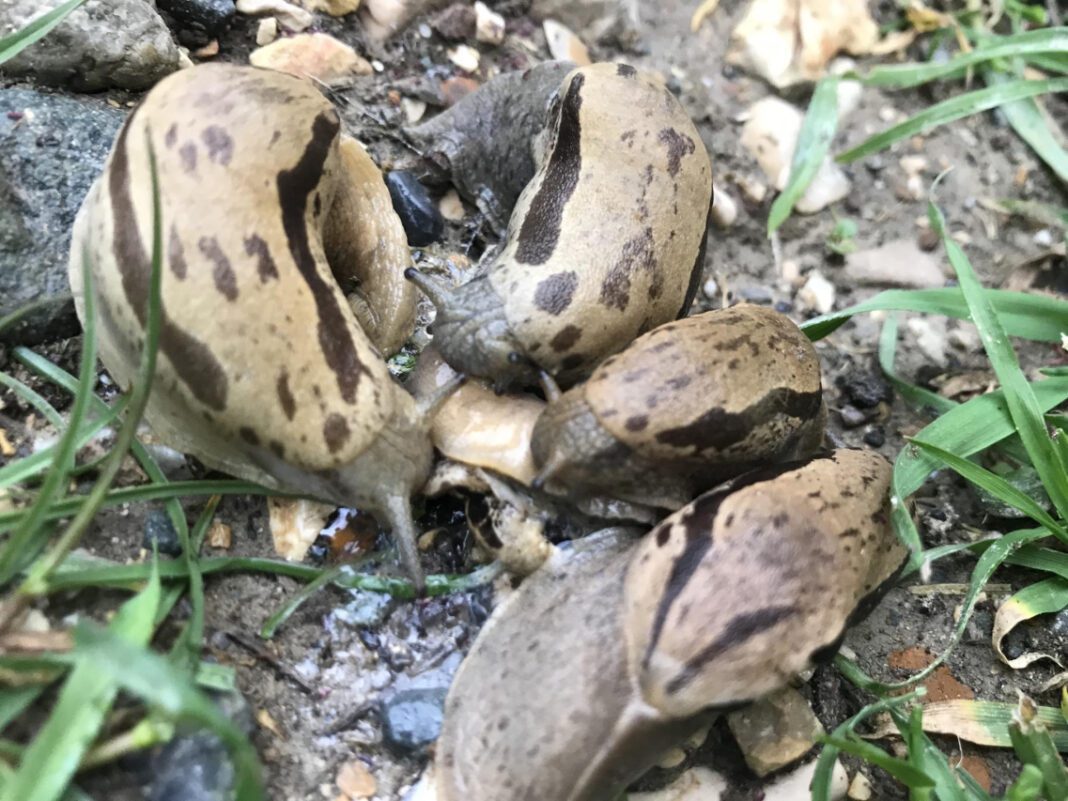
Cannibalism, the act of a creature consuming members of its own species, is a phenomenon that occurs in nature across a wide variety of animal species. From insects and fish to mammals and birds, cannibalism can manifest in many different ways and for a variety of reasons. In this article, we will explore the intriguing world of cannibal animals, delving into the reasons behind this behavior and the impact it has on various ecosystems. Through examining the science and real-life examples of cannibalism in the animal kingdom, we will gain a greater understanding of this often perplexing and macabre aspect of nature.
Table of Contents
- The Fascinating World of Cannibal Animals
- Survival of the Fittest: Understanding the Reasons Behind Cannibalism in the Animal Kingdom
- From Insects to Mammals: A Look at the Different Species Engaging in Cannibalistic Behavior
- Protecting Your Pets: How to Prevent Cannibalism in Domesticated Animals
- Q&A
- Future Outlook
The Fascinating World of Cannibal Animals
The world of cannibal animals is a strange and fascinating one, full of surprising behaviors and adaptations. Many species of animals are known to engage in cannibalism, whether for survival, reproduction, or even purely out of aggression. This phenomenon occurs across a wide range of taxa, from insects and arachnids to mammals and fish. Here, we take a closer look at some of the most fascinating examples of cannibalism in the animal kingdom.
One of the most well-known examples of cannibal animals is the praying mantis. The female praying mantis is notorious for decapitating and consuming the male after mating. This behavior is thought to provide the female with vital nutrients to support the development of her eggs. Another intriguing example is the black widow spider, which is known for occasionally eating its mate after copulation. In the world of marine life, the sand tiger shark embryos frequently engage in intrauterine cannibalism, with the largest embryos consuming their smaller siblings in the womb.
In addition to these well-known examples, cannibalism is also prevalent in certain amphibians, reptiles, and mammals. In some species of amphibians, tadpoles will consume their siblings in order to gain a competitive advantage for resources. In certain species of snakes, cannibalism is not uncommon, with larger individuals preying on smaller ones. Even in the world of mammals, instances of cannibalism have been documented, such as female hamsters consuming their young when stressed or threatened. These examples offer just a glimpse into the complex and sometimes unsettling world of cannibal animals.
Survival of the Fittest: Understanding the Reasons Behind Cannibalism in the Animal Kingdom
When we think of cannibalism, we often associate it with something horrifying and unnatural. However, cannibalism is a surprisingly common phenomenon in the animal kingdom. From insects to mammals, many species exhibit this behavior for a variety of reasons.
Reasons Behind Cannibalism in the Animal Kingdom
1. Survival: In some cases, cannibalism is a matter of survival. When food is scarce, animals may turn to cannibalism as a means of obtaining the nutrients they need to survive. This is especially common in species where parental care is minimal, and offspring are left to fend for themselves.
2. Competition: Cannibalism can also serve as a way to eliminate competition. By consuming members of their own species, animals can reduce competition for resources and increase their own chances of survival and reproductive success. This is often seen in species where territorial disputes and mating rights are fiercely contested.
3. Beneficial Adaptations: Some species have evolved to exhibit cannibalistic behavior as a beneficial adaptation. For example, certain insects and spiders will consume weaker or injured members of their own species, thereby reducing the spread of disease and ensuring the survival of the fittest individuals.
From Insects to Mammals: A Look at the Different Species Engaging in Cannibalistic Behavior
When it comes to cannibalistic behavior, the animal kingdom offers a fascinating array of examples. From insects to mammals, various species engage in this behavior for a variety of reasons, including survival and reproduction. Here, we take a closer look at some of the different animals that have been observed displaying cannibalistic tendencies.
Insects
In the world of insects, cannibalism is not uncommon. In many cases, it occurs as a means of population control or a way for certain individuals to gain a competitive edge. For example, female praying mantises are known for consuming their mates after mating, providing them with a valuable source of nutrients to support the development of their eggs. Additionally, some species of spiders have been observed feeding on their own young as a way of conserving resources and ensuring their own survival.
Fish
Under certain circumstances, fish have been known to engage in cannibalistic behavior. In some species, such as the European perch, cannibalism can be a common occurrence, particularly among juveniles. This behavior is thought to be driven by competition for resources and space, as well as a way of controlling population size. Additionally, some fish species have been observed consuming their own eggs, which may help to eliminate potential competitors and provide a valuable source of nutrients.
Protecting Your Pets: How to Prevent Cannibalism in Domesticated Animals
Many pet owners may be surprised to learn that cannibalism can occur among domesticated animals. While it may seem like a rare occurrence, it is important for pet owners to be aware of the potential for cannibalistic behavior in their animals and take steps to prevent it.
Causes of Cannibalism in Domesticated Animals:
- Overcrowding and competition for resources
- Inadequate nutrition
- Stress or fear
Pets such as hamsters, guinea pigs, and even some bird species are more prone to cannibalistic behavior when housed in overcrowded or stressful environments. It is essential to provide a safe and comfortable living space for these animals to prevent such behavior from occurring.
Q&A
Q: What are cannibal animals?
A: Cannibal animals are those who exhibit the behavior of eating members of their own species.
Q: What are some examples of cannibal animals?
A: Some examples of cannibal animals include certain species of spiders, praying mantises, and some types of fish.
Q: What are the reasons behind cannibalism in animals?
A: Cannibalism in animals can occur due to food scarcity, competition for resources, and to eliminate potential rivals or competitors.
Q: Are there any benefits to cannibalism in animals?
A: Cannibalism in animals can provide a source of nutrition, help regulate population size, and eliminate weaker or sick individuals from the group.
Q: How common is cannibalism in the animal kingdom?
A: Cannibalism is relatively common in the animal kingdom and has been observed in a wide range of species, including insects, fish, reptiles, and mammals.
Q: Can cannibalism be harmful to the overall population of a species?
A: In some cases, cannibalism can lead to a reduction in the population of a species, especially if it occurs at a high rate and impacts the reproductive capabilities of the group.
Q: How do scientists study cannibalism in animals?
A: Scientists study cannibalism in animals through field observations, controlled experiments, and laboratory studies to understand the ecological and evolutionary factors that drive this behavior.
Future Outlook
In conclusion, the existence of cannibal animals is a fascinating and often misunderstood aspect of the natural world. From insects to reptiles to mammals, the phenomenon of cannibalism can be seen across a wide range of species, and it serves as a reminder of the complexities and intricacies of predatory behavior. While the idea of cannibal animals may be unsettling to some, it is an integral part of the ecological balance and survival strategies within various ecosystems. By studying and understanding these behaviors, we can gain valuable insight into the dynamics of the animal kingdom and the intricacies of their relationships with one another. As we continue to explore and learn more about the world around us, the study of cannibal animals will undoubtedly continue to provide us with new and thought-provoking discoveries.

