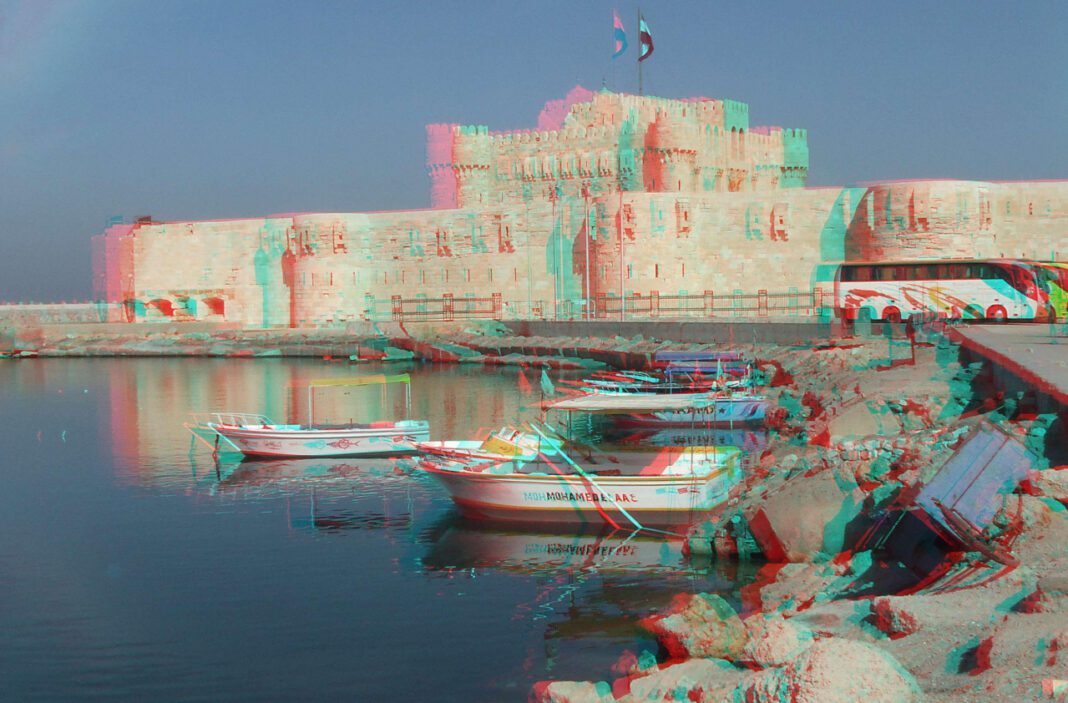
The Mausoleum at Halicarnassus, a monumental tomb that once stood as one of the Seven Wonders of the Ancient World, has long captivated historians, archaeologists, and curious travelers alike. Its imposing structure and rich historical significance offer a unique window into the craftsmanship and cultural legacy of the ancient world. As we delve into the history and significance of this remarkable site, we uncover the stories of its construction, destruction, and ongoing fascination, shedding light on the enduring impact of this architectural marvel. The Mausoleum at Halicarnassus, also known as the Tomb of Mausolus, was a monumental tomb built in the ancient city of Halicarnassus, which is now modern-day Bodrum, Turkey. The mausoleum was constructed between 353 and 350 BCE for Mausolus, a satrap in the Persian Empire, and his sister-wife Artemisia, after Mausolus’ death. The construction of the mausoleum was commissioned by Artemisia to honor and commemorate her late husband, and it is considered one of the Seven Wonders of the Ancient World.
The architectural features and design of the Mausoleum at Halicarnassus were a remarkable display of ancient Greek and Lycian styles, featuring a combination of Doric, Ionic, and Corinthian columns. The structure stood at a height of approximately 45 meters and was adorned with intricate friezes, statues, and reliefs depicting scenes from Greek mythology and the battles of Mausolus and Artemisia. The mausoleum was designed by renowned architects Satyros and Pythius of Priene, and its construction marked a significant advancement in ancient monumental architecture.
The Mausoleum at Halicarnassus held great cultural significance and influence, as it served as a symbol of power and wealth in the ancient world. Its architectural grandeur and historical significance inspired many later structures and monuments, influencing the styles of tombs, mausoleums, and monumental architecture for centuries to come. Today, visitors can still witness the legacy of the Mausoleum at Halicarnassus through the surviving remnants and artifacts displayed in various museums around the world, offering a glimpse into the rich history and cultural impact of this ancient wonder. When visiting the Mausoleum at Halicarnassus, it is recommended to plan your trip during the off-peak season to avoid crowds and explore the site at a leisurely pace. Be sure to wear comfortable walking shoes and bring a camera to capture the awe-inspiring architectural details and picturesque views of the surrounding area. Additionally, consider hiring a knowledgeable guide to provide insight into the history and significance of the mausoleum, enhancing your overall experience.
Q&A
Q: What is the Mausoleum at Halicarnassus?
A: The Mausoleum at Halicarnassus was a tomb built in the 4th century BC for Mausolus, a satrap in the Persian Empire, and his wife Artemisia II of Caria.
Q: Where is the Mausoleum located?
A: The Mausoleum was located in Halicarnassus, which is present-day Bodrum, Turkey.
Q: Why is the Mausoleum considered significant?
A: The Mausoleum is considered significant because of its unique architectural design and historical importance as one of the Seven Wonders of the Ancient World.
Q: What is the architectural style of the Mausoleum?
A: The Mausoleum was built in a mix of Greek, Lycian, and Egyptian architectural styles, featuring a massive stepped pyramid, columns, and intricate friezes.
Q: What happened to the Mausoleum at Halicarnassus?
A: The Mausoleum was partially destroyed by a series of earthquakes in the medieval period and its remains were subsequently used to build a castle by the Knights of St. John.
Q: Are there any efforts to preserve or restore the Mausoleum?
A: In recent years, there have been efforts to preserve and partially reconstruct the Mausoleum, with some of its surviving sculptures now housed in the British Museum in London.
Q: How has the Mausoleum at Halicarnassus influenced architecture and culture?
A: The Mausoleum’s unique design and historical significance have influenced architectural styles and artistic representations of tombs and monuments throughout the centuries. Its inclusion in the Seven Wonders of the Ancient World has also solidified its place in popular culture and historical studies.
Closing Remarks
In conclusion, the Mausoleum at Halicarnassus stands as a testament to the grandeur and craftsmanship of ancient architecture. Its blend of Greek, Egyptian, and Lycian influences, coupled with its towering height and intricate sculptures, make it a truly remarkable feat of human ingenuity. Despite its destruction, the mausoleum’s legacy lives on through the countless copies and reproductions that have been inspired by its design. As one of the Seven Wonders of the Ancient World, it continues to captivate and intrigue archaeologists, historians, and travelers alike, serving as a reminder of the enduring impact of ancient civilizations on our modern world.

