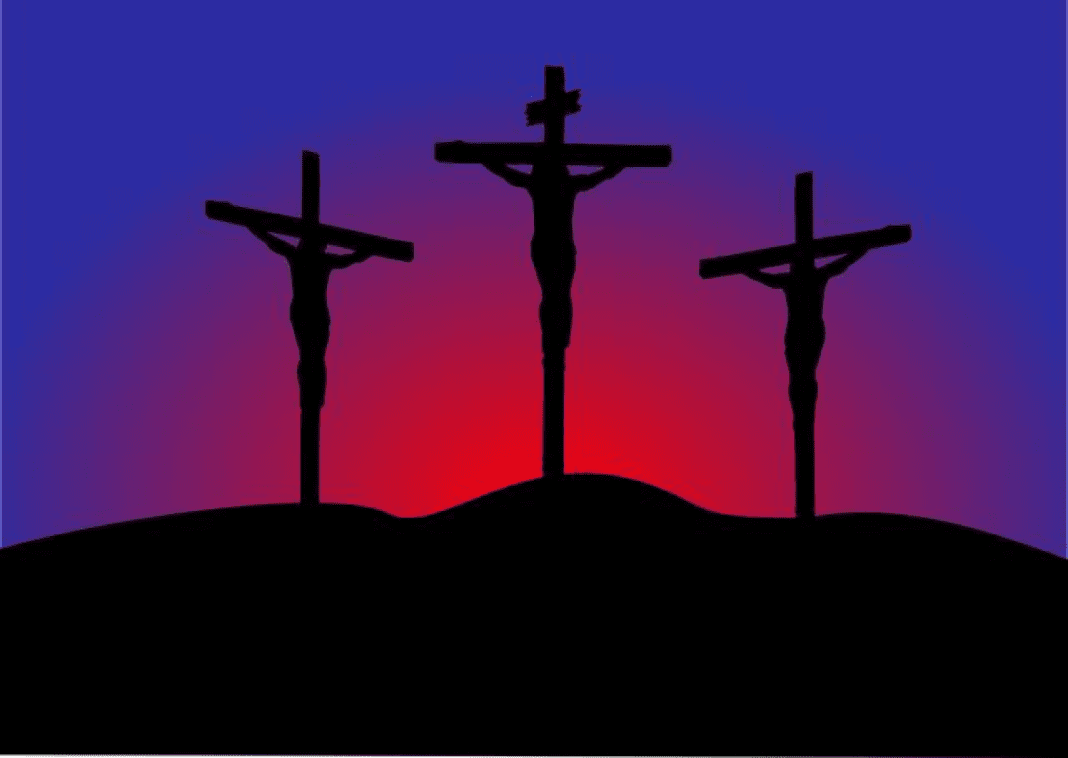
When Jesus died, the event shook the world and left a lasting impact on his followers and detractors alike. His crucifixion marked the end of his earthly life and set in motion a series of events that would ultimately shape the course of history. The circumstances surrounding his death, the reactions of those who witnessed it, and the subsequent events that unfolded are the subject of much scrutiny and debate. In order to gain a deeper understanding of what truly happened when Jesus died, it is essential to examine the historical accounts and various perspectives on the matter. This article aims to delve into the details of this pivotal moment and shed light on the impact it had on the world.
Table of Contents
- The Crucifixion and Death of Jesus Christ
- The Immediate Aftermath of Jesus’ Death
- The Impact of Jesus’ Death
- Theological and Spiritual Significance of Jesus’ Death
- Q&A
- Concluding Remarks
The Crucifixion and Death of Jesus Christ
is a pivotal event in Christian theology and history. According to the New Testament, Jesus was crucified by the Roman authorities in Jerusalem after being betrayed by one of his disciples, Judas Iscariot. The crucifixion took place on Calvary, also known as Golgotha, just outside the walls of Jerusalem. The event is seen as fulfilling the prophecies of the Old Testament regarding the Messiah, and it is considered the ultimate sacrifice for the atonement of humanity’s sins.
When Jesus died, several significant events occurred, as recorded in the Gospels of Matthew, Mark, Luke, and John. These events include:
– The temple curtain being torn in two, symbolizing the removal of the barrier between God and humanity (Matthew 27:51)
– The earth shaking and rocks splitting (Matthew 27:51)
– The tombs of many holy people being opened, and their bodies being raised to life after Jesus’ resurrection (Matthew 27:52-53)
– The Roman centurion and other soldiers witnessing the events and declaring, “Surely he was the Son of God!” (Matthew 27:54)
The death of Jesus is a central theme in Christian theology, representing the sacrificial atonement for the sins of humanity. It is a moment of profound significance, symbolizing the ultimate act of love and redemption. The events that transpired at the time of Jesus’ death are believed to have profound spiritual and cosmic implications, shaping Christian beliefs and practices for centuries to come.
The Immediate Aftermath of Jesus’ Death
After Jesus’ death on the cross, the Bible describes several significant events that took place in the immediate aftermath. These events are recorded in the New Testament, providing insight into the impact and significance of Jesus’ death. Here are some of the key aspects of :
- The Earthquake: According to the Gospel of Matthew, there was a great earthquake at the moment of Jesus’ death. This powerful natural phenomenon symbolized the earth-shattering significance of Jesus’ sacrifice.
- The Temple Veil Torn: Another dramatic event recorded in the Gospels is the tearing of the temple veil in Jerusalem. This thick curtain separated the Holy Place from the Most Holy Place in the temple, and its tearing symbolized the opening of access to God for all people through Jesus’ death.
- The Resurrection of Saints: The Gospel of Matthew also mentions the resurrection of many saints who appeared to many in Jerusalem after Jesus’ resurrection. This miraculous event further emphasized the power and significance of Jesus’ death and resurrection.
These events, along with others recorded in the New Testament, demonstrate the immediate and profound impact of Jesus’ death on the world, both spiritually and physically.
The Impact of Jesus’ Death
When Jesus died, it had a profound impact on the world, both then and now. His death is a central event in Christianity and is believed to have profound spiritual significance. Here are some of the key aspects of :
- Redemption for humanity: Christians believe that Jesus’ death on the cross was a sacrifice that atoned for the sins of humanity, offering the chance for redemption and eternal life.
- Victory over sin and death: Jesus’ death is seen as a triumph over the powers of sin and death, paving the way for the resurrection and the promise of salvation for believers.
- Changed the course of history: reverberated through history, influencing the development of Western civilization and shaping the beliefs of billions of people around the world.
Overall, is central to the Christian faith and continues to resonate in the hearts and minds of believers and non-believers alike.
Theological and Spiritual Significance of Jesus’ Death
Jesus’ death holds deep theological and spiritual significance for Christians around the world. It is a foundational belief that Jesus willingly sacrificed himself to atone for the sins of humanity, offering a path to salvation and eternal life. The events surrounding Jesus’ death, as described in the Bible, are powerful and meaningful, shedding light on the nature of God’s love and the depths of Jesus’ sacrifice.
When Jesus died, several significant events occurred, each carrying profound theological implications:
- Atonement for Sin: Jesus’ death is seen as the ultimate atonement for the sins of humanity, providing the opportunity for reconciliation with God.
- Defeat of Death: In Christian belief, Jesus’ death conquered the power of sin and death, offering the promise of eternal life to all who believe in him.
- Tearing of the Veil: The veil in the temple was torn at the moment of Jesus’ death, symbolizing the removal of barriers between God and humanity.
This is central to the Christian faith, serving as a cornerstone of belief and a source of hope and redemption for believers.
Q&A
Q: What happened when Jesus died?
A: According to the Christian faith, Jesus died on the cross as a sacrifice for the sins of humanity.
Q: How did Jesus die?
A: Jesus was crucified by the Roman authorities, a common form of execution at the time.
Q: What were the events leading up to Jesus’ death?
A: Jesus was betrayed by one of his disciples, Judas Iscariot, arrested by the Jewish authorities, and then condemned to death by the Roman governor, Pontius Pilate.
Q: What were the immediate aftermath of Jesus’ death?
A: According to the Bible, there were earthquakes, the sky turned dark, and the temple veil was torn in two, symbolizing the separation between God and humanity being removed.
Q: Did Jesus’ death have any significance in Christianity?
A: Yes, Christians believe that Jesus’ death and subsequent resurrection are central to their faith, as it is believed that through his death, Jesus atoned for the sins of humanity and opened the way for reconciliation with God.
Q: What happened to Jesus’ body after he died?
A: According to the Bible, Jesus’ body was taken down from the cross and placed in a tomb, where he was later discovered to have risen from the dead. This event is celebrated by Christians as Easter.
Q: Did Jesus’ death have any impact on the world at the time?
A: Yes, Jesus’ death and the events surrounding it had a profound impact on his followers and the spread of Christianity, eventually becoming one of the world’s major religions.
Concluding Remarks
In conclusion, the death of Jesus had a profound impact on the course of history, spirituality, and human understanding. His crucifixion and subsequent resurrection are foundational to the Christian faith, and his teachings and example continue to inspire and guide millions around the world. The events surrounding his death, from the despair of his followers to the astonishing claims of his resurrection, have sparked countless debates and discussions throughout the centuries. Whether as a historical figure, a religious leader, or a symbol of sacrifice and redemption, the impact of what happened when Jesus died continues to be felt to this day.

