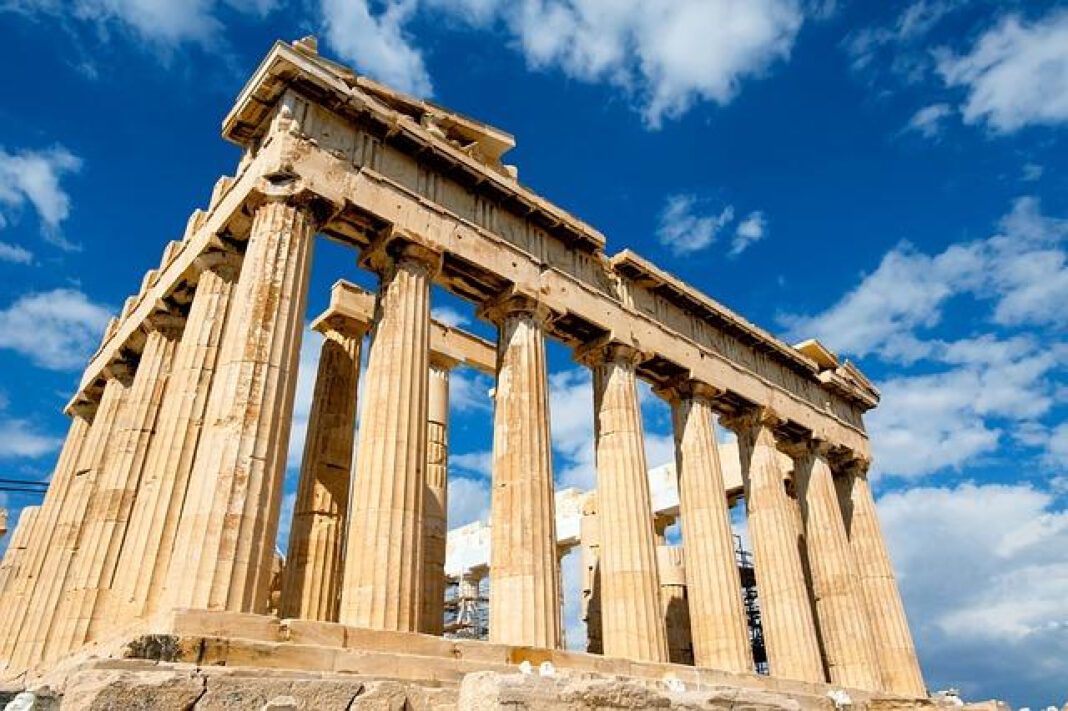
In the land where ancient myths and timeless romance intertwine, Greek wedding traditions bring together centuries of passionate love and enduring customs. From the vibrant celebrations to the rich symbolism woven into every detail, Greek weddings are a vibrant tapestry of love, devotion, and the beauty of tradition. Join us on a journey through the enchanting world of Greek wedding traditions, where modern love meets ancient customs in a joyful celebration of everlasting union.
Table of Contents
- Embracing Ancient Customs: Greek Wedding Traditions
- The Symbolism of the Stefana: Sharing a Lifetime Bond
- Koufeta: Sweet Symbols of Happiness and Longevity
- The Dance of Love: The Invigorating Zeibekiko Tradition
- Q&A
- Insights and Conclusions
Embracing Ancient Customs: Greek Wedding Traditions
Steeped in rich history and tradition, Greek wedding customs have been embraced for centuries, adding a touch of romance and authenticity to the modern-day wedding ceremony. From symbolic rituals to celebratory dances, these ancient traditions hold deep meaning and significance for the bride, groom, and their families.
Embracing these customs enhances the wedding experience, infusing it with cultural richness and timeless charm. From the betrothal to the reception, Greek weddings are a beautiful tapestry of customs that honor the union of two souls.
Let’s take a closer look at some of the most cherished Greek wedding traditions:
- Engagement Blessing: Prior to the wedding, the couple receives a blessing from their families to symbolize their commitment to one another.
- Koumbaro and Koumbara: These are the equivalent of the best man and maid of honor, but with added responsibilities. They are considered the official sponsors of the wedding and play a vital role in the ceremony.
- Stefana Crowning: The couple is crowned with intertwined floral wreaths, symbolizing their unity and the beginning of their life together as one.
These customs steeped in ancient Greek tradition add a touch of magic to modern weddings, creating a romantic and unforgettable celebration of love.
| Custom | Meaning |
|---|---|
| Stefana Crowning | Symbolizes unity and the beginning of life together as one. |
| Koufeta | Symbolizes sweet blessings for the couple’s life together. |
The Symbolism of the Stefana: Sharing a Lifetime Bond
Greek weddings are steeped in tradition and symbolism, and one of the most beautiful and meaningful aspects of the ceremony is the exchange of the Stefana, or wedding crowns. These crowns are joined by a ribbon and are placed on the heads of the bride and groom during the ceremony, symbolizing the couple’s unity and the creation of a lifelong bond.
The Stefana are typically made of olive branches or flowers, representing peace, fertility, and prosperity. As the crowns are placed on the heads of the bride and groom, they are also blessed by the priest, signifying the couple’s commitment to their faith and to each other. The exchange of the Stefana is a deeply symbolic and romantic moment, as the couple shares in the ancient tradition that binds them together for a lifetime.
Koufeta: Sweet Symbols of Happiness and Longevity
Koufeta, also known as sugar-coated almonds, hold a special place in Greek wedding traditions. These sweet treats are not only a symbol of happiness and longevity but are also an integral part of the wedding ceremony.
During Greek weddings, koufeta are traditionally placed on the ceremonial table, symbolizing the sweet life that the couple will share together. The almonds themselves represent the bitter and sweet moments of married life, reminding the newlyweds that they must support each other through both good and bad times. As a gesture of hospitality, the koufeta are also offered to guests as a token of appreciation for their presence at the wedding, thus spreading happiness and joy among all attendees.
Legend has it that koufeta are traditionally given in odd numbers, which are indivisible, symbolizing the indivisible union of the newlyweds. The almonds are also coated in white sugar, symbolizing purity, while the hardness of the almond signifies the endurance of the marriage. This age-old tradition has been passed down through generations, making koufeta an essential and cherished element of Greek wedding ceremonies.
The Dance of Love: The Invigorating Zeibekiko Tradition
Experiencing the enchanting Zeibekiko tradition is an essential part of Greek wedding celebrations. This invigorating dance is deeply rooted in Greek culture and holds immense significance in the context of love and romance. The Zeibekiko dance is a powerful display of emotion and passion, symbolizing the strength and resilience of love. As the music fills the air and the dancers move gracefully to its rhythm, it becomes a mesmerizing sight that captivates everyone present.
The Zeibekiko tradition is a beautiful representation of the deep connection between couples and the unbreakable bond they share. The dance holds a special place in Greek wedding ceremonies, where it is performed to celebrate the union of two souls in love. With its intricate footwork and emotive movements, the Zeibekiko embodies the essence of romance and devotion, making it an indispensable part of Greek wedding traditions. The dance of love, the Zeibekiko, serves as a poignant reminder of the enduring power of love and the beauty of partnership.
Q&A
Q: What are some traditional Greek wedding customs?
A: Some classic Greek wedding traditions include the crowning ceremony, where the couple wears crowns to symbolize their union, and the breaking of the bread, which represents their future together.
Q: What is the significance of the crowning ceremony?
A: The crowning ceremony, or “stefana,” is a symbol of the couple’s unity and the beginning of their life together as king and queen of their own kingdom.
Q: How does the breaking of the bread play a role in Greek weddings?
A: The breaking of the bread, or “koufeta,” represents the couple’s shared prosperity and the hope that they will always have plenty in their lives together.
Q: Are there any unique customs specific to Greek weddings?
A: One unique tradition is the “money dance,” where guests pin money onto the bride and groom as they dance to symbolize their support and contribution to the couple’s new life.
Q: What role does the “kalamatiano” dance play in Greek weddings?
A: The “kalamatiano” dance is a traditional Greek folk dance that is performed at weddings to celebrate the couple’s union and bring joy and happiness to the occasion.
Q: How important is family in Greek wedding traditions?
A: Family plays a huge role in Greek weddings, with the couple often seeking blessings from their parents and involving them in various ceremonies throughout the celebration. Family is at the heart of every Greek wedding.
Insights and Conclusions
As we can see, Greek wedding traditions are steeped in history and a deep sense of love and devotion. The rituals and customs of a Greek wedding are not only a celebration of the union between two individuals, but also a testament to the enduring traditions and cultural significance of love and marriage in Greek society.
From the lively music and dancing to the symbolic rituals and heartfelt expressions of devotion, Greek weddings are a beautiful reflection of the passion and commitment that underpins the institution of marriage. Whether it’s the joyous breaking of plates or the exchange of crowns, each tradition holds a deeper meaning and serves as a poignant reminder of the enduring nature of love.
So, as we consider the rich tapestry of Greek wedding traditions, let us revel in the time-honored customs that have stood the test of time and continue to inspire couples around the world. And as we witness the joining of two souls in matrimony, we are reminded of the eternal power of love and the unbreakable bonds that unite us all. Cheers to the love that knows no bounds, and the traditions that make it all the more beautiful. Here’s to love, Greek style! Opa!

