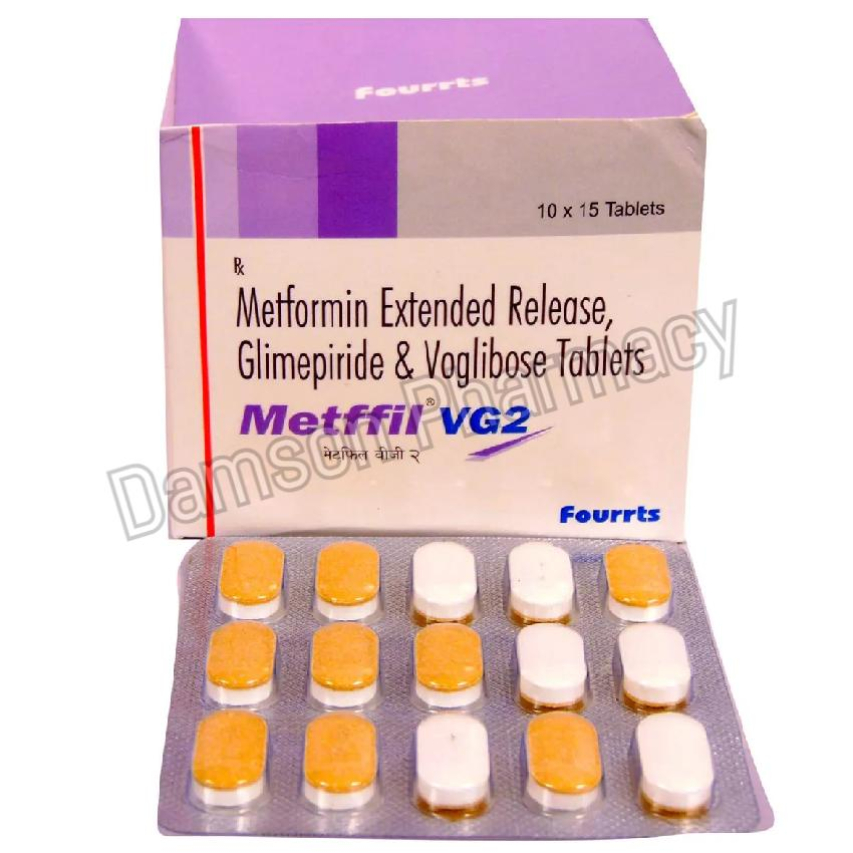
When it comes to managing blood sugar levels in individuals with type 2 diabetes, metformin has been the go-to medication for many years. However, not everyone can tolerate its side effects, and some may even have contraindications for its use. As a result, researchers and healthcare providers have been on a quest to find alternative options that can provide similar benefits without the drawbacks. In this article, we’ll delve into the world of metformin substitutes, exploring the latest advancements and alternatives that may just be the answer for those in search of a different solution.
Table of Contents
- Understanding the Need for a Metformin Substitute
- Exploring Natural Alternatives to Metformin
- The Pros and Cons of Metformin Substitutes
- Making an Informed Decision on Metformin Alternatives
- Q&A
- Key Takeaways
Understanding the Need for a Metformin Substitute
Metformin is a widely used medication for the treatment of type 2 diabetes, but it is not suitable for everyone. Some individuals may experience side effects such as gastrointestinal issues or may have contraindications that prevent them from taking this medication. In such cases, a substitute for metformin becomes necessary. There are several alternatives available that can help manage blood sugar levels effectively.
Some of the metformin substitutes include:
- Sulfonylureas: These medications stimulate the pancreas to produce more insulin.
- Meglitinides: Similar to sulfonylureas, they also increase insulin production but with a shorter duration of action.
- DPP-4 Inhibitors: They work by increasing the levels of incretin hormones which in turn helps to lower blood sugar levels.
- GLP-1 Receptor Agonists: These medications mimic the effects of the hormone GLP-1, which helps to lower blood sugar levels.
It is important to note that each substitute has its own set of pros and cons and may not be suitable for every individual. Consulting with a healthcare provider is essential to determine the best alternative based on an individual’s specific health needs and medical history. Here is a simplified table comparing some of the common substitutes:
| Medication | How it Works | Common Side Effects |
|---|---|---|
| Sulfonylureas | Stimulates insulin production | Weight gain, low blood sugar |
| Meglitinides | Increases insulin production | Low blood sugar |
| DPP-4 Inhibitors | Increases incretin levels | Nasopharyngitis, headache |
| GLP-1 Receptor Agonists | Mimics GLP-1 hormone | Nausea, diarrhea |
Exploring Natural Alternatives to Metformin
For those looking for an alternative to traditional pharmaceuticals, nature provides a variety of options. Berberine, a natural compound found in plants such as goldenseal and barberry, has been shown to have similar effects to Metformin in controlling blood sugar levels. Cinnamon, a common household spice, has also been shown to have positive effects on blood sugar levels and insulin sensitivity.
Another option is Fenugreek, an herb commonly used in Indian cuisine. Studies have shown that fenugreek seeds can help lower blood sugar levels and improve insulin function. Alpha-lipoic acid, a natural antioxidant found in foods like spinach and broccoli, has been shown to improve insulin sensitivity and reduce blood sugar levels.
| Natural Alternative | Benefits |
|---|---|
| Berberine | Controls blood sugar levels |
| Cinnamon | Improves insulin sensitivity |
| Fenugreek | Lowers blood sugar levels |
| Alpha-lipoic Acid | Antioxidant, improves insulin sensitivity |
It’s important to remember that while these natural alternatives may provide benefits, they should not replace any prescribed medications without the guidance of a healthcare professional. Consulting with a healthcare provider before making any changes to medication or treatment plans is crucial.
The Pros and Cons of Metformin Substitutes
When it comes to managing type 2 diabetes, Metformin is often the go-to medication prescribed by doctors. However, some patients may experience side effects or have contraindications that prevent them from taking Metformin. In such cases, substitutes may be necessary. Here are some of :
- Pros:
- Alternative medications may have fewer side effects for some patients.
- Some substitutes may be more effective in controlling blood sugar levels for certain individuals.
- Substitutes may offer different mechanisms of action, providing a more tailored treatment approach.
- Cons:
- Substitutes may be more expensive than Metformin.
- Some alternatives may not have been as extensively studied or have a shorter track record of safety and efficacy.
- Switching medications may require a period of adjustment and close monitoring of blood sugar levels.
| Substitute | Pros | Cons |
|---|---|---|
| DPP-4 Inhibitors | May help with weight loss | Potential risk of pancreatitis |
| SGLT2 Inhibitors | Can improve heart and kidney health | Possible increased risk of infections |
| Sulfonylureas | Lower cost alternative | Risk of hypoglycemia |
Ultimately, the decision to use a Metformin substitute should be made in consultation with a healthcare provider, taking into account individual health needs, risks, and preferences.
Making an Informed Decision on Metformin Alternatives
When it comes to managing diabetes, metformin has been the go-to medication for many individuals. However, some people may experience side effects or have contraindications that make it necessary to explore alternative options. Here are some metformin substitutes that you should consider discussing with your doctor:
- DPP-4 inhibitors: These medications help to increase insulin production and decrease glucose production in the liver. Examples include Januvia and Tradjenta.
- SGLT2 inhibitors: These drugs help the kidneys to remove excess glucose from the body through urine. Drugs in this class include Invokana and Farxiga.
- Sulfonylureas: This class of drugs helps to stimulate the pancreas to produce more insulin. Examples include Glipizide and Glyburide.
It’s important to note that each of these alternatives may come with their own set of side effects and may not be suitable for everyone. It’s crucial to have a thorough discussion with your healthcare provider to determine the best course of action for your individual needs.
| Medication | Class | Common Side Effects |
|---|---|---|
| Januvia | DPP-4 inhibitor | Headache, sore throat, runny nose |
| Invokana | SGLT2 inhibitor | Yeast infections, urinary tract infections |
| Glipizide | Sulfonylurea | Low blood sugar, weight gain |
Remember, the key to successful diabetes management is to stay informed and work closely with your healthcare team to create a personalized treatment plan that works for you.
Q&A
Q: What is metformin?
A: Metformin is a widely-used oral medication for controlling blood sugar levels in people with type 2 diabetes.
Q: Are there any potential substitutes for metformin?
A: Yes, there are a variety of medications that can be used as substitutes for metformin, such as sulfonylureas, meglitinides, DPP-4 inhibitors, GLP-1 receptor agonists, and SGLT2 inhibitors.
Q: What are the potential benefits of using a metformin substitute?
A: Using a metformin substitute can help to manage blood sugar levels and improve overall diabetes management. Additionally, some substitutes may have fewer side effects or be more suitable for certain individuals.
Q: Are there any potential drawbacks to using a metformin substitute?
A: Like any medication, metformin substitutes may have potential side effects and risks. It’s important to discuss the options with a healthcare provider to determine the best course of action.
Q: What should someone consider when choosing a metformin substitute?
A: It’s important to consider factors such as individual health status, potential side effects, cost, and overall effectiveness when choosing a metformin substitute. Consulting with a healthcare provider is essential in making an informed decision.
Key Takeaways
As research into diabetes and metabolic health continues to evolve, the search for effective metformin substitutes will also progress. Whether it’s through natural remedies, new medications, or lifestyle changes, individuals living with diabetes can rest assured that there are always options available to help manage their condition. Always consult with a healthcare professional before making any changes to your treatment plan. With the right support and guidance, finding the most suitable metformin substitute may just be a step closer to better health and well-being.

