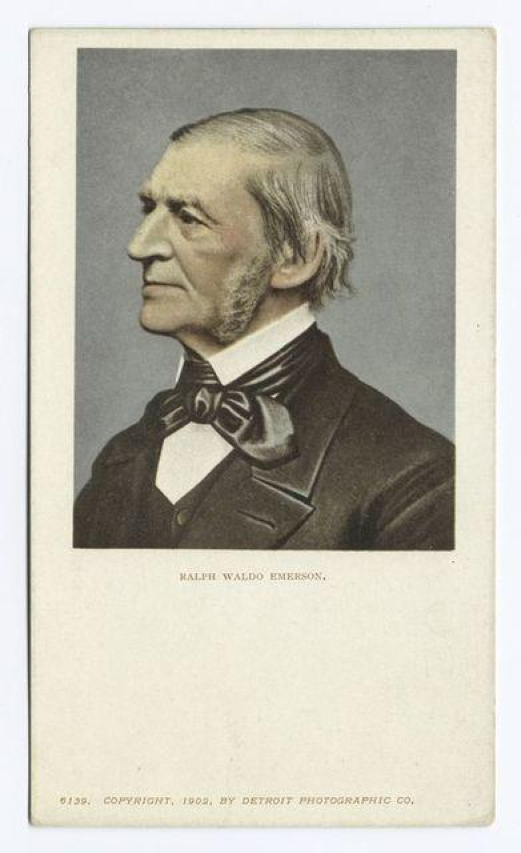
Nestled in the quaint town of Concord, Massachusetts, stands a house that holds a rich history and legacy. The Ralph Waldo Emerson House, once home to the renowned American essayist, poet, and philosopher, is a place where history comes alive. Emerson was a leading figure in the transcendentalist movement and his works continue to inspire and influence generations. In this article, we will take a closer look at the Emerson House, exploring its architecture, history, and the impact that Emerson’s life and work had on American culture. Join us as we step back in time and discover the significance of this historic landmark.
Table of Contents
- Exploring the Historic Significance of Ralph Waldo Emerson’s House
- A Closer Look at the Architecture and Design of Emerson’s Home
- Uncovering the Literary Legacy of Emerson’s Residence
- Recommended Tours and Activities for Visitors to Ralph Waldo Emerson’s House
- Q&A
- Concluding Remarks
Exploring the Historic Significance of Ralph Waldo Emerson’s House
The home of Ralph Waldo Emerson, located in Concord, Massachusetts, holds a special place in American history. Emerson, a leading figure in the transcendentalist movement, lived in this house from 1835 until his death in 1882. It was here that he wrote some of his most famous works, including “Nature,” “Self-Reliance,” and ”The American Scholar.”
The house itself has been preserved as a museum, offering visitors a glimpse into the life and times of Emerson. It is filled with original furnishings and personal items that belonged to the Emerson family. The study, where Emerson did much of his writing, remains as it was during his lifetime, with his books and writing desk still in place.
- Original furnishings: The house features many of the original furniture pieces and decor from Emerson’s time.
- Personal artifacts: Visitors can see Emerson’s personal items, including his writing desk and books.
- Guided tours: Knowledgeable guides offer tours of the house, providing insight into Emerson’s life and work.
For those interested in literature and history, a visit to Emerson’s house is a must. It offers a unique opportunity to connect with the past and experience the space where one of America’s greatest thinkers found inspiration.
| Year Built | Location | Significant Works Written |
|---|---|---|
| 1828 | Concord, MA | “Nature”, “Self-Reliance” |
A Closer Look at the Architecture and Design of Emerson’s Home
When one thinks of Ralph Waldo Emerson, the focus often goes to his literary genius and his contributions to transcendentalism. However, his home in Concord, Massachusetts, reflects his philosophies just as much as his writings do. The house, known as Emerson House, is a stunning example of mid-19th century architecture, with its classic New England style and design elements that are both functional and aesthetically pleasing.
The house was originally built in 1829 and later purchased by Emerson in 1835. It was here where he wrote some of his most famous works, including Nature and Self-Reliance. The house features a central hallway with rooms branching off on either side, a design choice that was common in the era and allowed for efficient use of space. The interior of the house is a testament to Emerson’s love for nature, with wood finishes and large windows that let in natural light and provide views of the surrounding landscape.
Let’s take a closer look at the key architectural and design elements of Emerson House:
- Exterior: The house is characterized by its gabled roof, clapboard siding, and symmetrical facade. The front entrance is framed by pilasters and a transom window, adding to the grandeur of the design.
- Interior: The house features wide pine floorboards, handcrafted woodwork, and built-in bookcases that showcase Emerson’s vast collection of books. The house also has several fireplaces, which were not only a source of heat but also a focal point for family gatherings.
- Renovations: Over the years, the house underwent several renovations, including the addition of a study for Emerson’s writing and a sunroom that allowed him to enjoy the natural beauty of Concord.
In summary, Emerson House is not only a historical landmark but also a beautiful example of architecture and design from the 19th century. It serves as a physical representation of Emerson’s ideals and his connection to nature, making it a must-visit for anyone interested in American history and literature.
Uncovering the Literary Legacy of Emerson’s Residence
Located in the charming town of Concord, Massachusetts, the Ralph Waldo Emerson House stands as a testament to the literary giant’s enduring legacy. The quintessential New England home, where Emerson lived from 1835 until his death in 1882, is a place of pilgrimage for literature enthusiasts and history buffs alike.
The house, preserved much as Emerson left it, is filled with personal artifacts and mementos that offer a glimpse into the life of one of America’s most influential thinkers. Visitors can explore the study where Emerson penned some of his most famous essays, including “Self-Reliance” and “Nature.” Beyond the walls of the study, the residence also features the original furnishings, including Emerson’s book collection, showcasing the breadth of his intellectual curiosity.
- Emerson’s writing desk, where he crafted his seminal works
- The family’s cherished library, with volumes dating back to the 17th century
- A collection of Emerson’s personal correspondence and journals
For those interested in the architectural history of the house, a unique feature to note is the home’s Ell, an extension that Emerson built to accommodate his growing family and frequent guests. It serves as a physical reminder of Emerson’s hospitality and the vibrant intellectual community he nurtured.
| Room | Key Feature | Relevance |
|---|---|---|
| Study | Writing Desk | Site of literary creation |
| Library | Book Collection | Representation of Emerson’s vast interests |
| Ell | Architectural Extension | Symbol of the Emersonian social circle |
The Emerson home not only commemorates the man but also the era he helped shape. Visiting the abode provides an intimate connection to 19th-century American literary history and serves as an inspiration for all who walk through its storied rooms.
Recommended Tours and Activities for Visitors to Ralph Waldo Emerson’s House
For those looking to immerse themselves in the rich history and legacy of Ralph Waldo Emerson, there are a variety of tours and activities available to enhance your visit to his former home in Concord, Massachusetts. Guided tours of the house are offered daily and provide an in-depth look at Emerson’s life, his writings, and the impact he had on American literature and philosophy.
- Take a stroll through the beautiful gardens that surround the property, which have been maintained to reflect the landscape during Emerson’s time.
- Attend a lecture or workshop hosted by the Ralph Waldo Emerson Memorial Association, which often features scholars and experts on Emerson’s work.
- Explore the nearby Walden Pond, where Emerson’s friend and fellow transcendentalist, Henry David Thoreau, lived and wrote his famous work, “Walden”.
For those looking for a more hands-on experience, consider participating in a writing workshop or book discussion group held at the house, where you can delve deeper into Emerson’s ideas and their relevance today. With so many options to choose from, your visit to Ralph Waldo Emerson’s house is sure to be a memorable and enriching experience.
Q&A
Q: Who was Ralph Waldo Emerson?
A: Ralph Waldo Emerson was a renowned American essayist, lecturer, and poet who was a central figure in the transcendentalist movement of the mid-19th century.
Q: Where is Ralph Waldo Emerson’s house located?
A: Emerson’s house, also known as the Ralph Waldo Emerson House, is located in Concord, Massachusetts.
Q: Why is Ralph Waldo Emerson’s house significant?
A: Emerson’s house is significant because it was the home where Emerson wrote many of his most famous works and where he entertained other influential writers and thinkers of his time.
Q: Can visitors tour the Ralph Waldo Emerson House?
A: Yes, the Ralph Waldo Emerson House is open for guided tours, allowing visitors to explore the historic home and gain insight into Emerson’s life and work.
Q: What can visitors expect to see at the Ralph Waldo Emerson House?
A: Visitors can expect to see the preserved interior of the house, including the study where Emerson wrote and the rooms where he and his family lived. The house also contains a collection of Emerson’s personal belongings and memorabilia.
Q: Are there any special events or programs at the Ralph Waldo Emerson House?
A: The Ralph Waldo Emerson House offers various special events and programs throughout the year, including lectures, readings, and workshops related to Emerson’s legacy and transcendentalist philosophy.
Q: How can I plan a visit to the Ralph Waldo Emerson House?
A: Visitors can plan a visit to the Ralph Waldo Emerson House by checking the official website for hours of operation, tour schedules, and any special events happening during their desired visit date.
Concluding Remarks
Thank you for taking the time to learn about the Ralph Waldo Emerson House. This historic site offers a glimpse into the life and work of one of America’s most influential writers and thinkers. From its humble beginnings as a parsonage to its transformation into a literary landmark, the house tells the story of Emerson’s enduring legacy. We hope you have been inspired by his words and legacy, and encourage you to visit this extraordinary piece of history. Whether you’re a fan of Emerson’s work or simply curious about American literary history, the Ralph Waldo Emerson House is truly a sight to behold.

