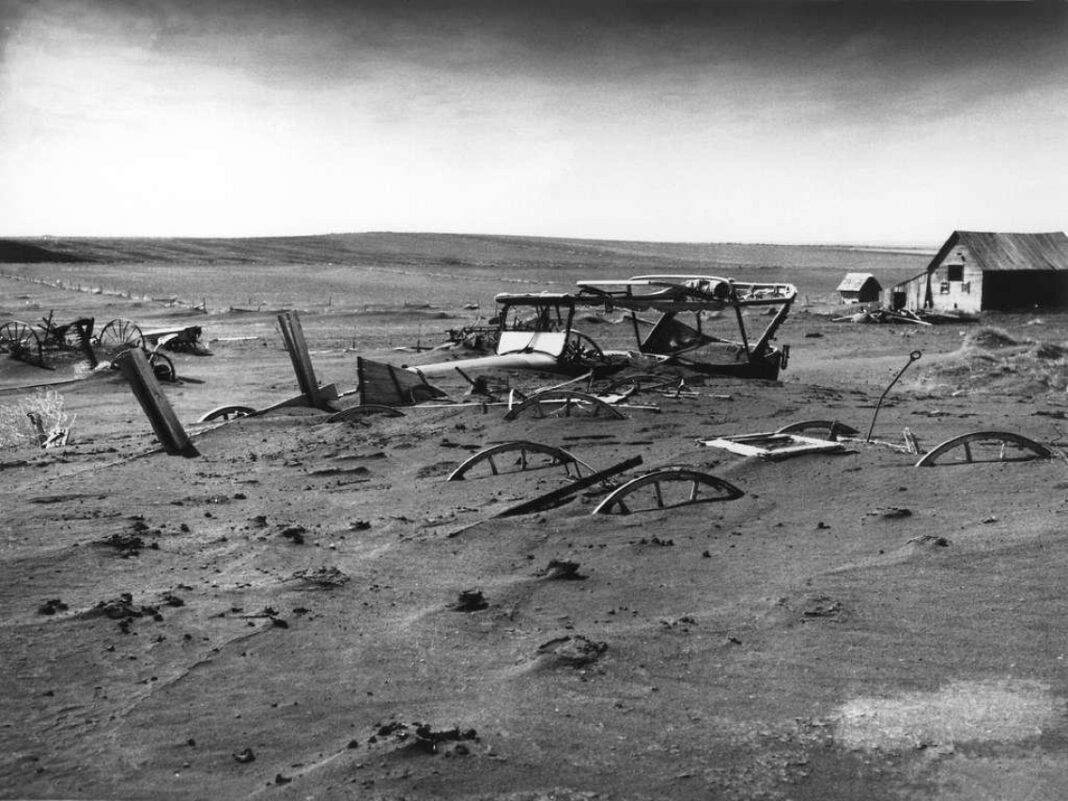
During the 1930s, the United States experienced one of the most devastating environmental disasters in its history – the Dust Bowl. As the region was plagued by severe drought and intense dust storms, countless families were forced to abandon their homes and farms in search of a better life. However, it was during this tumultuous time that a group of photographers ventured into the heart of the Dust Bowl to document the unprecedented devastation. Their photographs captured the raw emotions and harsh realities of the era, providing a glimpse into the lives of those who suffered through the Dust Bowl. These dust bowl photographs have since become iconic symbols of resilience and perseverance in the face of adversity. In this article, we will explore the impact and significance of these powerful photographs, shedding light on the human experience during this unparalleled period in American history.
Table of Contents
- The Impact of Dustbowl Photographs on Public Perception
- Depicting the Harsh Realities of Dustbowl Life Through Photography
- Documenting Environmental Destruction and Human Suffering in Dustbowl Photographs
- Preserving Dustbowl History Through Photographic Evidence
- Q&A
- In Summary
The Impact of Dustbowl Photographs on Public Perception
was profound during the 1930s. These iconic images captured the devastating effects of the severe dust storms that ravaged the Great Plains region of the United States. The power of these photographs to convey the harsh realities of the dustbowl era had a lasting influence on public opinion and government policies.
Some key points to consider about the impact of these historic photographs include:
- The photographs brought international attention to the plight of dustbowl refugees and farmers, leading to increased support and relief efforts for those affected by the environmental disaster.
- Photographers such as Dorothea Lange and Arthur Rothstein were able to capture the human suffering and resilience in the face of the dust storms, shaping the narrative of the era.
- These photographs played a crucial role in raising awareness about the environmental and social impact of the dust storms, ultimately influencing public opinion and policy decisions.
Depicting the Harsh Realities of Dustbowl Life Through Photography
The dustbowl era of the 1930s was a time of great hardship and struggle for many Americans. The harsh realities of life in the dustbowl are vividly captured in a series of hauntingly beautiful photographs. These images provide a stark portrayal of the challenges faced by those living through this tumultuous period in American history.
Photographers such as Dorothea Lange and Arthur Rothstein traveled through the dustbowl region, documenting the devastating impact of the severe drought and soil erosion on the land and its people. Their photographs offer a poignant glimpse into the daily lives of dustbowl residents, showcasing their resilience and perseverance in the face of overwhelming adversity.
Through the lens of these talented photographers, we are given a window into the harsh realities of dustbowl life. The images serve as a powerful reminder of the strength of the human spirit in the midst of unimaginable hardships. These photographs are not just historical artifacts, but also timeless works of art that continue to resonate with viewers to this day. In this post, we will explore some of the most iconic dustbowl photographs and the stories they tell.
**Some of the most striking dustbowl photographs include:**
– Dorothea Lange’s “Migrant Mother” depicting a destitute mother with her children, embodying the struggle of countless families during the dustbowl era.
– Arthur Rothstein’s ”Dust Storm, Cimarron County, Oklahoma” capturing the overwhelming force of nature that wreaked havoc on the region.
– Russell Lee’s “Amid the Ruins: A Hardware Store in Texas” showcasing the economic devastation caused by the dust storms.
| Photographer | Photograph Title |
|---|---|
| Dorothea Lange | Migrant Mother |
| Arthur Rothstein | Dust Storm, Cimarron County, Oklahoma |
| Russell Lee | Amid the Ruins: A Hardware Store in Texas |
Documenting Environmental Destruction and Human Suffering in Dustbowl Photographs
During the 1930s, a severe ecological disaster known as the Dust Bowl ravaged the Great Plains of the United States. The combination of poor land management practices and extreme drought led to the widespread erosion of topsoil, creating massive dust storms that devastated agricultural communities and displaced thousands of families. At the height of the Dust Bowl, photographer Dorothea Lange captured the harrowing reality of this environmental catastrophe through a series of poignant and powerful images. Documenting the environmental destruction and human suffering caused by the Dust Bowl, Lange’s photographs provide a haunting glimpse into one of the most challenging periods in American history.
Environmental Devastation
Lange’s photographs vividly portray the environmental devastation wrought by the Dust Bowl. The images depict vast expanses of barren, windblown land, once fertile fields reduced to desolate wastelands. Dust storms, some reaching heights of over 10,000 feet, engulfed everything in their path, darkening the skies and suffocating the landscape in a thick shroud of dust and debris. The plight of farmers and their families, struggling to eke out a living amidst the ruins of their former prosperity, is poignantly captured in Lange’s photographs.
Human Suffering
Amidst the desolation of the Dust Bowl, Lange’s photographs also reveal the profound human suffering that accompanied the environmental devastation. The faces of stoic men and women, weathered and worn by years of hardship, speak volumes about the resilience and fortitude of those who endured the harsh realities of the Dust Bowl. Children, their innocent expressions contorted by the hardships of their daily existence, serve as poignant reminders of the profound impact of ecological disaster on human lives.
Preserving Dustbowl History Through Photographic Evidence
Preserving the history of the Dustbowl era through photographic evidence offers a unique glimpse into the hardships and challenges faced by individuals and families during this tumultuous time. These powerful images serve as a vital reminder of the resilience and determination of those who endured the devastating effects of the Dustbowl. Through the preservation and documentation of these photographs, we are able to gain a deeper understanding of this significant period in American history.
Photographic evidence from the Dustbowl era provides a visual narrative that captures the stark reality of the environmental and economic struggles faced by those living through this era. These images depict the harsh conditions of the Dustbowl, including the impact of severe drought, widespread dust storms, and the resulting agricultural devastation. Through the lens of these photographs, we can witness the sheer magnitude of the challenges faced by individuals and communities, as well as the remarkable efforts made to persevere in the face of adversity.
Preserving the history of the Dustbowl through photographic evidence not only honors the experiences of those who lived through this era but also serves as a valuable educational resource for future generations. By documenting and archiving these images, we can ensure that the stories of resilience and determination during the Dustbowl era are not forgotten, allowing us to draw inspiration from the indomitable spirit of those who overcame monumental hardships.
Q&A
Q: What are dustbowl photographs?
A: Dustbowl photographs are a collection of images documenting the environmental disaster known as the Dust Bowl, which occurred during the 1930s in the Great Plains of the United States.
Q: Who took the dustbowl photographs?
A: The dustbowl photographs were taken by a number of photographers, including the likes of Dorothea Lange, Arthur Rothstein, and Walker Evans, who were employed by the Farm Security Administration to document the impact of the Dust Bowl.
Q: What was the purpose of the dustbowl photographs?
A: The purpose of the dustbowl photographs was to raise awareness of the devastating effects of the Dust Bowl on the farmers and their land, and to mobilize public support for government intervention to provide relief to those affected.
Q: What do the dustbowl photographs depict?
A: The dustbowl photographs depict scenes of severe drought, dust storms, and the resulting devastation of the agricultural land and communities in the Great Plains region.
Q: Why are the dustbowl photographs significant?
A: The dustbowl photographs are significant because they not only provide a visual record of the Dust Bowl, but also helped to bring about social and political change by influencing public opinion and government policies during the Great Depression.
In Summary
In conclusion, the dustbowl photographs captured by iconic photographers such as Dorothea Lange and Arthur Rothstein provide us with a haunting and visceral glimpse into one of the most challenging periods in American history. These images not only serve as a historical record of the devastating environmental and agricultural crisis that gripped the nation during the 1930s, but also as a powerful reminder of the resilience and determination of the individuals who lived through it. As we continue to study and reflect on these photographs, we are able to gain a deeper understanding of the impact of the dustbowl era and the ways in which it has shaped the American landscape and collective consciousness. Through these photographs, we are able to connect with the past and honor the resilience of those who endured unimaginable hardship.

