The Middle Ages, a period that lasted from the 5th to the 15th century, is often characterized as a time of great upheaval and change in European history. From the fall of the Roman Empire to the rise of the Renaissance, the Middle Ages were a pivotal time in shaping the culture, society, and politics of the modern world. In this article, we will explore some key facts about the Middle Ages, shedding light on some of the lesser-known aspects of this fascinating period. From the role of religion to the development of trade and commerce, the Middle Ages were a time of immense transformation and growth, setting the stage for the world we live in today.
Table of Contents
- 1. Key Events and Developments in the Middle Ages
- 2. Social Structure and Daily Life in the Medieval Era
- 3. Contributions of the Middle Ages to Modern Society
- 4. Recommended Resources for Learning More about the Middle Ages
- Q&A
- Final Thoughts
1. Key Events and Developments in the Middle Ages
The Middle Ages, also known as the medieval period, spanned from the 5th to the late 15th century in Europe. This era was marked by significant events and developments that shaped the course of history. From the rise of feudalism to the spread of the Black Death, the Middle Ages were a time of profound transformation and upheaval.
1. Feudalism: One of the defining features of the Middle Ages was the emergence of feudalism, a hierarchical system of land ownership and social structure. At the top of the feudal pyramid were the monarchs, followed by nobles, knights, and peasants. This system provided the framework for governance and land ownership throughout much of Europe.
2. The Crusades: The Crusades were a series of religious wars fought between the 11th and 13th centuries, sanctioned by the Latin Church. These military expeditions were launched with the goal of capturing Jerusalem and other holy sites in the Eastern Mediterranean from Muslim control. The Crusades had far-reaching effects on European society, economy, and culture. They also led to the expansion of trade and the exchange of ideas between the East and West.
3. The Black Death: In the mid-14th century, the Black Death, also known as the Bubonic Plague, swept through Europe, leading to the deaths of an estimated 25 million people. This devastating pandemic had profound social, economic, and political consequences, fundamentally reshaping the fabric of medieval society. The Black Death also led to advancements in public health and medicine, marking a turning point in the understanding of disease transmission and prevention.
In conclusion, the Middle Ages were a time of both triumph and tribulation, marking a pivotal period in history that laid the groundwork for the modern world. The key events and developments of this era continue to have a lasting impact on global culture, politics, and society.
2. Social Structure and Daily Life in the Medieval Era
During the medieval era, social structure played a crucial role in shaping daily life. The hierarchy was rigid, with the king at the top and peasants at the bottom. Here are some interesting facts about :
- Feudalism: The medieval society was based on the system of feudalism, where land was exchanged for military service and loyalty. The king granted land to nobles, who in turn granted land to knights, and so on. This created a hierarchical structure where everyone owed allegiance to those above them.
– Role of Women: Women in the medieval era had limited rights and were often seen as inferior to men. Their main roles were in the household, as wives and mothers. However, some women did break these societal norms and became influential figures in their own right, such as Eleanor of Aquitaine and Joan of Arc.
– Daily Life: Daily life in the medieval era was centered around the feudal manor. Peasants worked the land and lived in simple, overcrowded cottages. They relied heavily on agriculture for food and were subject to the demands of their lord. The church also played a significant role in daily life, with religious festivals and rituals shaping the calendar year.
In summary, the medieval era was characterized by a rigid social structure and a way of life centered around the feudal manor. Despite its challenges, this period also saw the rise of influential female figures and the enduring legacy of chivalry and knightly virtues.
3. Contributions of the Middle Ages to Modern Society
The Middle Ages, also known as the Medieval period, lasted from the 5th to the 15th century and is often associated with darkness and ignorance. However, this era was also a time of significant advancements and contributions that have had a lasting impact on modern society. Here are some key contributions of the Middle Ages to the world we live in today:
- Education and Scholarship: The Middle Ages saw the rise of universities and the establishment of the first formal educational institutions. Scholars and thinkers from this period made significant advances in fields such as mathematics, astronomy, and medicine, laying the groundwork for the scientific revolution of the Renaissance.
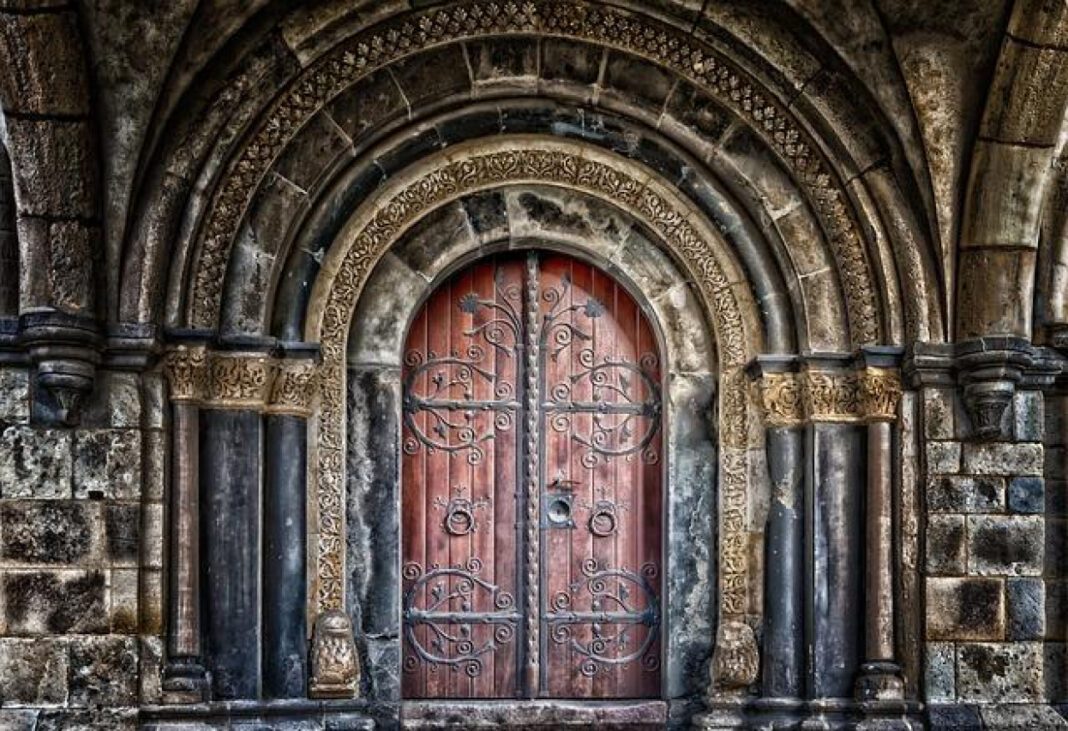
- Architecture and Engineering: The Middle Ages produced some of the most iconic architectural marvels, including the towering cathedrals and impressive castles that still stand today. The mastery of engineering and construction techniques during this period has influenced building design and construction methods for centuries.
- Literature and Art: The Middle Ages gave rise to some of the most enduring literary and artistic works in history. From epic poems like Beowulf to the intricate tapestries and stained glass windows found in medieval churches, the creativity and craftsmanship of this era continue to inspire and influence artists and writers.
| Contribution | Impact on Modern Society |
|---|---|
| Legal System | The legal concepts and principles developed during the Middle Ages laid the foundations for modern legal systems and the rule of law. |
| Agricultural Innovations | The adoption of new farming techniques and the introduction of new crops revolutionized agriculture, leading to increased food production and improved living standards. |
These contributions from the Middle Ages continue to shape our world and illustrate the enduring impact of this fascinating and often misunderstood period in history.
4. Recommended Resources for Learning More about the Middle Ages
Primary Sources
For those interested in delving deeper into the Middle Ages, there are a number of recommended resources that can offer a wealth of information. One of the best ways to learn more about this historical period is to explore primary sources from the era. This may include texts such as the Magna Carta, the Bayeux Tapestry, and the writings of prominent figures such as Geoffrey Chaucer and St. Thomas Aquinas.
Recommended Reading
There are also a variety of books that offer in-depth insights into the Middle Ages. Some recommended titles for those looking to expand their knowledge on the subject include:
- The Time Traveler’s Guide to Medieval England by Ian Mortimer
- The Medieval World by Peter Linehan
- The Oxford Illustrated History of Medieval Europe edited by George Holmes
Online Resources
For those who prefer digital resources, there are numerous websites and online collections that offer a wealth of information about the Middle Ages. Some recommended online resources include:
- The British Library - offers online access to a wide range of historical manuscripts and documents from the Middle Ages
- The Internet Medieval Sourcebook - a comprehensive collection of online sources related to the history of the medieval world
Q&A
Q: What time period is considered the Middle Ages?
A: The Middle Ages, also known as the Medieval period, is generally considered to have lasted from the 5th to the 15th century.
Q: What major events occurred during the Middle Ages?
A: The Middle Ages saw significant events such as the spread of Christianity, the rise of feudalism, the Crusades, the Black Death, and the Hundred Years’ War.
Q: What were the main social classes during the Middle Ages?
A: The main social classes during the Middle Ages were the clergy, nobility, and peasants. The feudal system played a major role in determining social hierarchy.
Q: What were some of the major achievements in art and architecture during the Middle Ages?
A: The Middle Ages saw the rise of Gothic architecture and the creation of magnificent cathedrals and castles. The period also produced remarkable works of art, including illuminated manuscripts and tapestries.
Q: How did the economy function during the Middle Ages?
A: The economy of the Middle Ages was primarily agricultural, with the manorial system being a crucial aspect of production and trade. Towns and trade guilds also played a significant role in the economy.
Q: What were the key developments in science and technology during the Middle Ages?
A: The Middle Ages witnessed advancements in fields such as agriculture, metallurgy, and medicine. The period also saw the introduction of mechanical clocks and the use of gunpowder.
Q: How did the role of women change during the Middle Ages?
A: Women in the Middle Ages had various roles depending on their social class, but many were involved in domestic activities and the textile industry. Some women also held positions of power and influence, such as noblewomen and abbesses.
Final Thoughts
In conclusion, the Middle Ages were a fascinating and complex period in history. From the rise of feudalism to the flourishing of art, literature, and architecture, the Middle Ages shaped the world we live in today. While it was a time of great political and social upheaval, it was also a time of innovation and cultural development. By gaining a better understanding of the Middle Ages, we can gain valuable insight into how our society and institutions have been shaped over time. These facts about the Middle Ages offer a glimpse into a world that was both challenging and full of opportunity, and the legacy of this period continues to influence us today.

