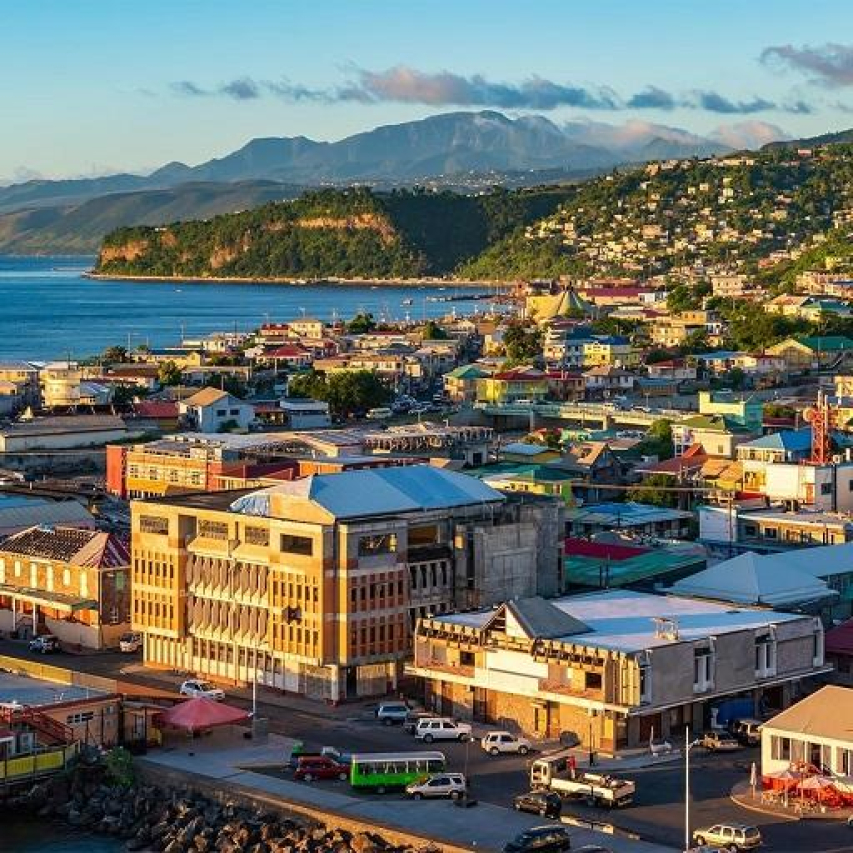
The mountain chicken, despite its name, is not actually a chicken at all. In fact, it is a large frog found in the Caribbean, renowned for its succulent meat and often hunted for food. However, this unique amphibian faces numerous threats to its survival, including habitat loss, disease, and overexploitation. In this article, we will explore the fascinating world of the mountain chicken, examining its ecological significance, conservation status, and the efforts being made to protect this iconic species from extinction. The Mountain Chicken, also known as the giant ditch frog, is a unique and fascinating species that is currently facing a decline in population. Endemic to the islands of Dominica and Montserrat, the Mountain Chicken was once a thriving species known for its adaptive survival characteristics. However, due to habitat destruction, disease, and overhunting, the population of this extraordinary amphibian has been rapidly dwindling.
The characteristics of the Mountain Chicken are notable for their impressive adaptations for survival in their native environment. These include their large size, powerful legs for jumping, and unique vocalizations. Their ability to camouflage themselves in their natural surroundings and their tendency to remain motionless during the day to avoid detection make them a remarkable species worthy of conservation efforts.
Conservation efforts for the Mountain Chicken are crucial in order to protect this threatened species from extinction. Strategies such as habitat restoration, disease prevention, and captive breeding programs are essential for the survival of the Mountain Chicken. Collaborative approaches involving local communities, scientists, and conservation organizations are crucial for the success of these preservation efforts. It is essential to engage with local communities to promote sustainable practices and to raise awareness about the importance of preserving the Mountain Chicken and its natural habitat.
Q&A
Q: What is the mountain chicken?
A: The mountain chicken is a species of frog found in the Caribbean, known for its large size and distinctive taste.
Q: Why is it called the “mountain chicken”?
A: The name “mountain chicken” is derived from its large size and resemblance to a small chicken, as well as its preference for mountainous habitats.
Q: Why is the mountain chicken facing extinction?
A: The mountain chicken is facing extinction due to habitat loss, climate change, and the spread of a deadly fungal disease called chytridiomycosis.
Q: What efforts are being made to conserve the mountain chicken?
A: Conservation efforts for the mountain chicken include captive breeding programs, habitat restoration, and monitoring of populations in the wild.
Q: What is the significance of the mountain chicken in Caribbean culture?
A: The mountain chicken holds significant cultural and culinary importance in the Caribbean, where it is considered a delicacy and is often used in traditional dishes.
Q: What is being done to raise awareness about the plight of the mountain chicken?
A: Conservation organizations and local communities are working to raise awareness about the mountain chicken’s endangered status and the need for conservation efforts through education, outreach, and advocacy.
Concluding Remarks
In conclusion, the mountain chicken is a fascinating and critically endangered species that faces numerous threats to its survival. Through ongoing conservation efforts and support from researchers, organizations, and governments, there is hope for the mountain chicken to recover from the brink of extinction. As we continue to learn more about this unique and resilient species, it is crucial that we prioritize its protection and work together to ensure its long-term survival in the wild. By raising awareness, conducting research, and implementing conservation measures, we can help ensure a brighter future for the mountain chicken and other species facing similar challenges. It is imperative that we take action now to protect the mountain chicken and to preserve the biodiversity of our planet. Let us all do our part in making a difference for this remarkable species.

