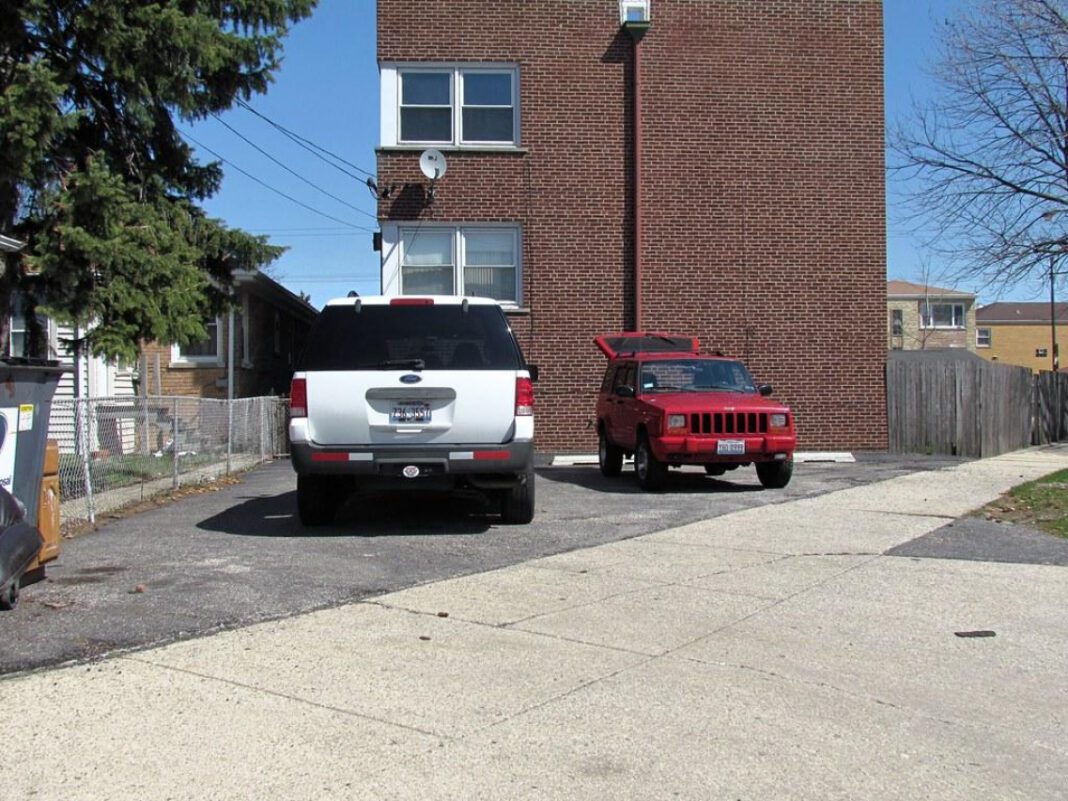
In the quiet suburb of Norwood Park, Chicago, stood a seemingly ordinary house that concealed a chilling secret. This unassuming property at 8213 West Summerdale Avenue was once the residence of one of America’s most notorious serial killers, John Wayne Gacy. Known as the “Gacy House,” this seemingly peaceful home held a dark and sinister history that would forever be etched in the annals of true crime. Join us as we delve into the twisted and enigmatic legacy of the man who defied all appearances, and the house that became synonymous with unspeakable horrors.
Table of Contents
- The Infamous Gacy House: A Chilling Legacy
- Exploring the Dark History of the Gacy House
- Uncovering the Horrifying Truth Behind the Gacy House
- Visiting the Gacy House: A Disturbing Experience
- Understanding the Impact of the Gacy House on the Local Community
- Q&A
- Final Thoughts
The Infamous Gacy House: A Chilling Legacy
The Gacy House, located at 8215 West Summerdale Avenue in Chicago, Illinois, has long been associated with one of the most notorious serial killers in American history, John Wayne Gacy. Gacy, also known as the “Killer Clown,” was responsible for the murders of at least 33 young men and boys between 1972 and 1978. The house gained notoriety after Gacy’s heinous crimes were uncovered, and it has since become a chilling symbol of his legacy.
The Gacy House is steeped in dark history, and it has left an indelible mark on the local community and the larger cultural landscape. Here are some notable facts about the infamous property:
– The house has been the subject of numerous documentaries, TV specials, and books, all delving into the horrors that occurred within its walls.
– In 1979, the house was demolished, and a new residence was built on the site. However, the property’s disturbing past continues to captivate the public’s interest.
– Visitors and onlookers have reported experiencing strange phenomena near the site, leading some to speculate that the house is haunted by the lingering spirits of Gacy’s victims.
The Gacy House serves as a grim reminder of the atrocities committed by John Wayne Gacy and the lasting impact of his crimes on the community. Despite its dark legacy, the house continues to fascinate and horrify those who are drawn to its chilling history.
Exploring the Dark History of the Gacy House
John Wayne Gacy, also known as the “Killer Clown,” was convicted of the rape and murder of at least 33 young men and boys in the 1970s. His notorious crimes took place in the suburbs of Chicago, Illinois, where he lived in a seemingly ordinary house in Norwood Park. This unassuming residence, located at 8213 W. Summerdale Avenue, has since become infamous as the Gacy House.
Despite its quaint exterior, the Gacy House holds a dark and disturbing history that continues to fascinate and horrify people to this day. After Gacy’s arrest in 1978, the house underwent a series of renovations and renovations, eventually being demolished in 1979.
- The site of the Gacy House remains a subject of morbid curiosity and urban legend, attracting thrill-seekers and paranormal enthusiasts alike.
- Following the demolition of the original house, a new residence was built on the property, but the legacy of John Wayne Gacy continues to loom over the neighborhood.
As the legend of Gacy House persists, it serves as a haunting reminder of the evil that once resided within its walls, and the impact of Gacy’s heinous crimes on the local community and beyond.
Uncovering the Horrifying Truth Behind the Gacy House
The infamous Gacy house, located at 8213 W. Summerdale Avenue in Chicago, holds a dark and horrifying secret. What was once a seemingly ordinary suburban home became the site of unimaginable horrors at the hands of one of America’s most notorious serial killers, John Wayne Gacy.
The chilling truth behind the Gacy house was revealed in December 1978, when police discovered the remains of 29 young men and teenage boys buried beneath the property. Gacy, also known as the “Killer Clown,” lured his victims to the house and subjected them to unspeakable acts of torture and violence before ultimately ending their lives. The sheer magnitude of evil that occurred within the walls of the Gacy house is enough to send shivers down anyone’s spine.
Despite attempts to move past its dark history, the Gacy house continues to be a haunting reminder of the heinous crimes that took place there. The property has since been demolished, but the horrifying truth behind the Gacy house will forever be etched into the fabric of American true crime history. Though the physical structure may be gone, the legacy of terror left by John Wayne Gacy lives on, serving as a chilling cautionary tale of the evil that can lurk just beneath the surface of seemingly normal surroundings.
Visiting the Gacy House: A Disturbing Experience
Before venturing into the world of true crime, I had never heard of the Gacy House. However, as I delved into the macabre history of notorious serial killer John Wayne Gacy, I knew I had to visit the site of his gruesome crimes. The Gacy House, located in suburban Chicago, is a place steeped in darkness and tragedy, where Gacy committed his heinous acts and buried the bodies of his victims.
As I stood outside the unassuming gray house, I couldn’t help but feel a shiver run down my spine. The knowledge that so much horror had taken place within those walls was truly chilling. Stepping inside, I was immediately struck by the oppressive atmosphere that seemed to linger in the air. The rooms, once filled with Gacy’s innocent victims, now felt empty and haunting.
Visiting the Gacy House is not for the faint of heart. It is an experience that will stay with you long after you leave, as you grapple with the gruesome reality of the crimes that occurred within those walls.
Understanding the Impact of the Gacy House on the Local Community
One of the most infamous addresses in American history is 8213 West Summerdale Avenue, also known as the Gacy House. This unassuming suburban home in Chicago was the site of numerous heinous crimes committed by serial killer John Wayne Gacy. The impact of the Gacy House on the local community was profound and continues to be felt to this day.
The notorious activities that took place within the Gacy House had a lasting effect on the neighborhood and the city as a whole. The discovery of the bodies of 29 young men and boys buried beneath the house shocked and horrified the community, leaving a lasting scar on the area. Residents were left grappling with the realization that such horrifying crimes had taken place in their own backyard, leading to a sense of unease and distrust.
- The Gacy House has become a morbid tourist attraction, drawing curiosity seekers and macabre enthusiasts from all over the world.
- Local residents and authorities have struggled to cope with the legacy of the Gacy House, with efforts to redevelop or demolish the property meeting with controversy.
- The impact of the Gacy House extends beyond its physical location, as it has become a symbol of the worst aspects of human nature and a cautionary tale for communities everywhere.
Q&A
Q: What is the “Gacy House”?
A: The “Gacy House” refers to the residence of notorious serial killer John Wayne Gacy, located in Norwood Park Township, Illinois.
Q: Who was John Wayne Gacy?
A: John Wayne Gacy was an American serial killer and sex offender who was convicted of murdering at least 33 young men and boys between 1972 and 1978 in the Chicago area.
Q: What happened at the Gacy House?
A: Gacy lured his victims to his house, where he would sexually assault and murder them before burying their bodies in the crawlspace or disposing of them in nearby rivers.
Q: What became of the Gacy House?
A: The house gained infamy after Gacy’s crimes were discovered, and it was eventually demolished in 1979. A new house was constructed in its place.
Q: Is the Gacy House still standing?
A: No, the original Gacy House was torn down, and a new house now stands in its place. However, the site of the Gacy House continues to attract public interest and curiosity.
Q: What is the legacy of the Gacy House?
A: The Gacy House serves as a grim reminder of the heinous crimes committed by John Wayne Gacy, and has become the subject of numerous books, films, and documentaries exploring his life and the tragic events that occurred within its walls.
Final Thoughts
In conclusion, the story of the Gacy House is one that continues to captivate and horrify people to this day. It stands as a grim reminder of the evil that can lurk within seemingly ordinary neighborhoods and the devastating impact it can have on those affected. The legacy of John Wayne Gacy and the atrocities that took place within the walls of his house will forever be etched in the history of Chicago. May we never forget the innocent lives that were lost and continue to honor their memory. The Gacy House will forever be a haunting reminder of the darkness that exists in the world, and the importance of remaining vigilant against it.

