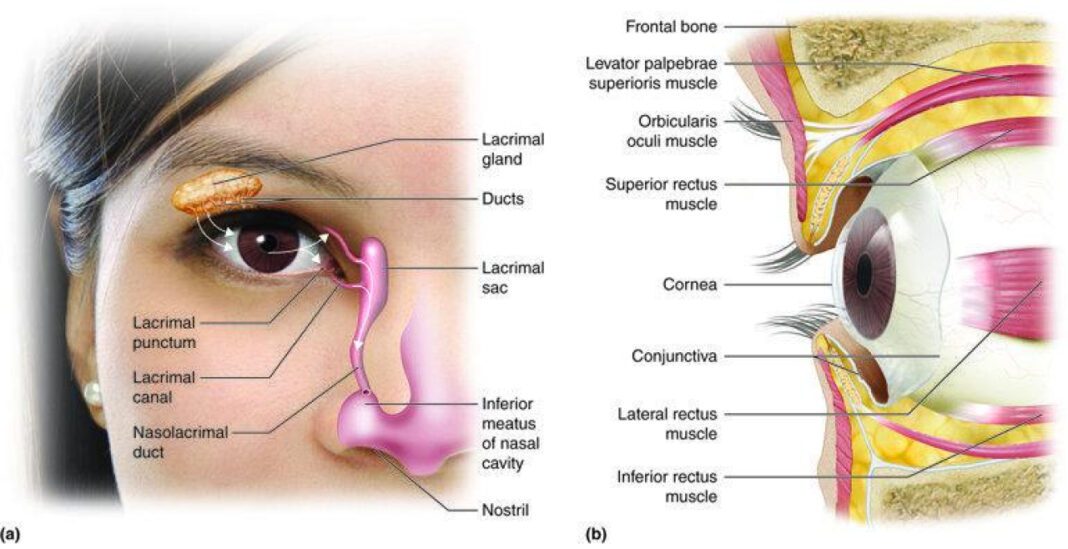
It’s an everyday occurrence that most of us don’t give much thought to – that gunky buildup that crusts at the corners of our eyes upon waking or accumulates throughout the day. Commonly referred to as ‘eye mucus’ or ‘sleep’ in our eyes, this natural discharge is our body’s way of protecting and cleansing one of our most vital senses. But what exactly is this substance, and why does our body produce it? In this article, we delve into the science behind eye mucus discharge, exploring its causes, its role in ocular health, and when it may be a sign of something more serious. Join us as we take a closer look at this often-overlooked aspect of our daily routine.
Table of Contents
- Understanding Eye Mucus Discharge: Causes and Symptoms
- Treatment Options for Eye Mucus Discharge
- Preventing Eye Mucus Discharge: Tips for Eye Hygiene and Care
- When to See a Doctor: Recognizing Signs of a Serious Eye Condition
- Q&A
- Final Thoughts
Understanding Eye Mucus Discharge: Causes and Symptoms
Eye mucus discharge, often referred to as “eye boogers” or “sleep,” is a common issue that many people experience. It’s usually nothing to worry about, but it’s important to understand the causes and symptoms to ensure proper eye health.
Causes of Eye Mucus Discharge:
- Allergies: Allergic reactions can cause the eyes to produce excess mucus, leading to discharge.
- Infections: Bacterial or viral infections such as conjunctivitis (pink eye) can result in eye mucus discharge.
- Dry Eye Syndrome: When the eyes don’t produce enough tears, the resulting dryness can lead to mucus production.
- Blocked Tear Duct: A blocked tear duct can prevent tears from draining properly, causing a buildup of mucus.
- Contact Lenses: Wearing contact lenses for extended periods can irritate the eyes, leading to mucus discharge.
Symptoms to look out for:
- Yellow or green mucus discharge
- Crusty buildup around the eyes, especially after sleep
- Redness or swelling of the eye or eyelid
- Itchy or burning sensation in the eyes
- Blurred vision or difficulty seeing clearly
If you notice any of these symptoms persisting or worsening, it’s important to see an eye care professional. In the meantime, keep the eye area clean by gently wiping away discharge with a damp cloth, and avoid touching or rubbing your eyes.
Treatment Options for Eye Mucus Discharge
When it comes to treating eye mucus discharge, there are several options available to soothe the symptoms and prevent further irritation. The first step is to identify the root cause of the discharge, which could be anything from allergies to an eye infection. Once the cause has been determined, the appropriate treatment can be prescribed.
1. Over-the-counter eye drops: These can help to flush out any irritants and provide temporary relief from symptoms. Look for drops that are specifically designed for allergies or dry eyes, depending on the cause of your discharge.
2. Warm compresses: Applying a warm, damp cloth to the affected eye can help to loosen any mucus and provide comfort. This can be done several times a day, especially in the morning when discharge may be more pronounced.
If the discharge is caused by an infection, your doctor may prescribe antibiotic or antiviral eye drops to clear up the issue. In more severe cases, oral medications may be necessary. It’s important to follow the prescribed treatment plan and practice good hygiene, such as washing your hands frequently and avoiding touching your eyes, to prevent the spread of infection.
| Cause of Discharge | Treatment Option |
|---|---|
| Allergies | Antihistamine eye drops |
| Dry Eyes | Lubricating eye drops |
| Infection | Antibiotic or antiviral eye drops |
Remember, if the discharge is accompanied by pain, changes in vision, or light sensitivity, it’s important to see a doctor as soon as possible to rule out any serious conditions. With proper treatment and care, eye mucus discharge can be effectively managed and resolved.
Preventing Eye Mucus Discharge: Tips for Eye Hygiene and Care
Eye mucus discharge, or “sleep” in the eyes, can be a common occurrence, but excessive amounts can be a sign of an underlying issue. Keeping your eyes clean and maintaining good hygiene can prevent the buildup of discharge. Here are some tips to keep your eyes healthy and free from excessive mucus:
- Keep your hands clean: Always wash your hands before touching your eyes or face to prevent the spread of bacteria that can lead to infection.
- Remove eye makeup: Be sure to thoroughly cleanse your eyes of makeup each night. Leftover makeup can cause irritation and lead to discharge.
- Avoid rubbing your eyes: Rubbing your eyes can transfer bacteria and lead to increased mucus production. If your eyes are itchy, try using a cold compress instead.
Additionally, maintaining a healthy lifestyle can contribute to overall eye health and reduce the risk of eye discharge. This includes:
- Staying hydrated: Drinking enough water can help keep your eyes lubricated and prevent dryness that can lead to discharge.
- Eating a balanced diet: A diet rich in vitamins and nutrients, particularly vitamin A and omega-3 fatty acids, can support eye health.
- Getting enough sleep: Adequate rest can help your eyes recover and replenish essential moisture overnight.
If you continue to experience excessive eye mucus discharge despite maintaining good hygiene and a healthy lifestyle, it is important to seek medical advice as it may be a sign of an underlying condition.
When to See a Doctor: Recognizing Signs of a Serious Eye Condition
Eye mucus discharge, also known as ”eye boogers” or “sleep,” is a common occurrence that many of us experience. Our eyes produce mucus to keep them lubricated and protect them from dust, dirt, and other irritants. However, when the discharge becomes excessive or changes in color and consistency, it could be a sign of a more serious eye condition.
Some of the signs that may indicate it’s time to see a doctor include:
– Green or yellow discharge: This could be a sign of an infection, such as conjunctivitis (pink eye).
– Persistent discharge: If the discharge doesn’t clear up or keeps coming back, it could indicate an underlying issue.
– Discharge accompanied by other symptoms: If you also experience redness, pain, blurred vision, or sensitivity to light, it could be a sign of a more serious condition.
If you experience any of these symptoms, it’s important to seek medical attention promptly to prevent further complications. Your doctor will be able to determine the cause of the discharge and provide appropriate treatment.
In some cases, eye mucus discharge can be managed with simple home remedies, such as using a warm compress or gently cleaning the eye with a damp cloth. However, if the discharge is persistent or accompanied by other symptoms, it’s essential to consult with a healthcare professional to rule out any serious eye conditions.
Q&A
Q: What causes eye mucus discharge?
A: Eye mucus discharge can be caused by a number of factors, including allergies, infections, and irritants.
Q: Is eye mucus discharge a sign of a serious condition?
A: In some cases, eye mucus discharge can be a sign of a serious condition, such as conjunctivitis or dry eye syndrome. It’s important to consult a healthcare professional if you are concerned.
Q: How can eye mucus discharge be treated?
A: Treatment for eye mucus discharge depends on the underlying cause. It may include using eye drops, warm compresses, or medicated ointments. It’s best to consult a doctor for proper diagnosis and treatment.
Q: Can eye mucus discharge be prevented?
A: While it may not be possible to prevent all cases of eye mucus discharge, practicing good hygiene, avoiding allergens and irritants, and addressing any underlying health issues can help reduce the likelihood of experiencing it.
Final Thoughts
In conclusion, while eye mucus discharge may not be the most pleasant topic to discuss, it is a natural and normal occurrence that serves to protect and nourish our eyes. Understanding the causes and potential treatment options for excessive discharge can help to alleviate any discomfort or concern. Remember to always consult with a medical professional if you have ongoing or severe issues with eye mucus discharge. Keep an eye on your eye health and take care!

