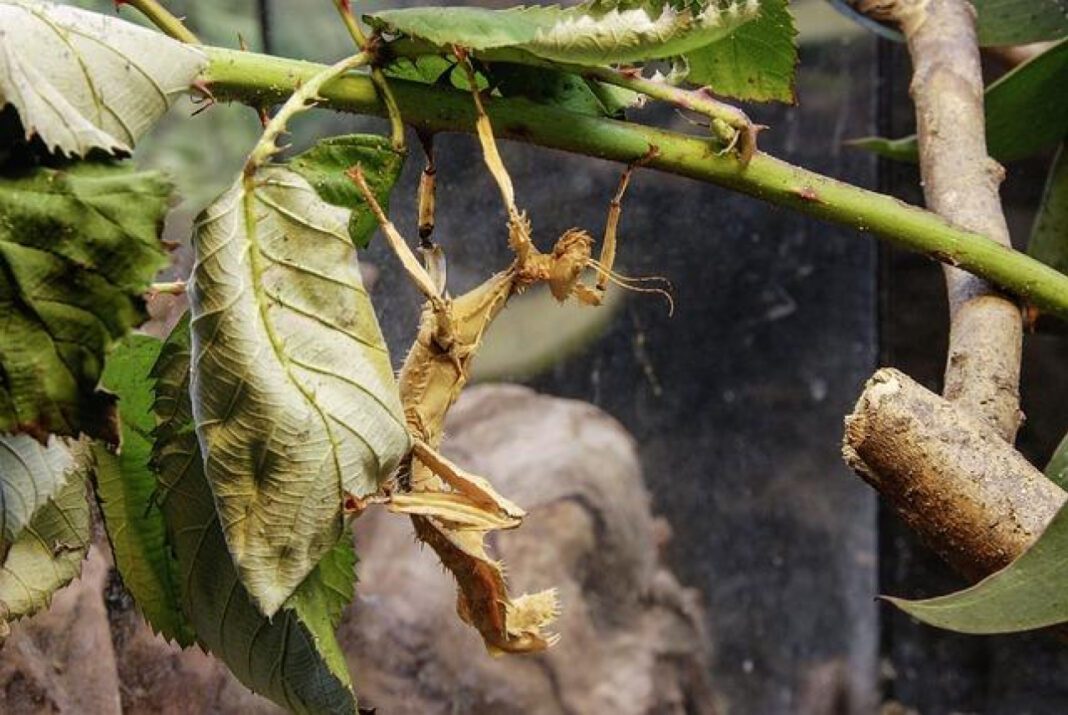
Phasmids, also known as stick insects or walking sticks, are fascinating creatures that belong to the order Phasmatodea. These insects are known for their elongated bodies and remarkable ability to camouflage themselves in their surroundings. With over 3,000 known species of phasmids found worldwide, these insects are a diverse and intriguing group that has captured the curiosity of scientists and insect enthusiasts alike. In this article, we will explore the unique characteristics and behaviors of these remarkable insects, shedding light on their incredible adaptations and the important role they play in their ecosystems.
Table of Contents
- Morphology and Behavior of Phasmids
- Diet and Feeding Habits of Phasmids
- Environmental Needs and Habitat for Phasmids
- Breeding and Care of Phasmids in Captivity
- Conservation Efforts for Phasmids
- Q&A
- Concluding Remarks
Morphology and Behavior of Phasmids
Phasmids, also known as stick insects, are fascinating creatures with unique morphology and behavior. These insects are masters of camouflage, often resembling twigs or leaves to evade predators. Their bodies are elongated and cylindrical, with a slender appearance that aids in their mimicry. Phasmids come in a variety of colors and patterns, further enhancing their ability to blend in with their surroundings.
One of the most intriguing aspects of phasmids is their remarkable ability to remain motionless for extended periods of time. This behavior, known as “freezing,” allows them to avoid detection by predators. Additionally, phasmids are predominantly nocturnal, making them elusive and mysterious creatures in the wild.
Furthermore, phasmids exhibit a fascinating reproductive behavior. Some species are capable of parthenogenesis, a form of asexual reproduction where females can produce offspring without mating with a male. This unique trait contributes to the survival and proliferation of phasmids in diverse ecosystems.
| Fact 1 | Phasmids have the ability to regenerate lost limbs, allowing them to recover from injuries. |
| Fact 2 | Some phasmid species exhibit complex behavioral patterns, including swaying movements to mimic the movement of leaves in the wind. |
Diet and Feeding Habits of Phasmids
Phasmids, also known as stick insects or walking sticks, are fascinating creatures with unique diet and feeding habits. These herbivorous insects have specific dietary needs that are essential for their survival and overall well-being. Understanding their eating behaviors is crucial for their proper care and maintenance in captivity.
Phasmids primarily feed on a variety of plant materials, including leaves, foliage, and flowers. Their diet may vary depending on the species, but some common food sources for phasmids include:
- Native plants: Phasmids in the wild often consume the leaves of native plants found in their natural habitat.
- Non-toxic vegetation: In captivity, phasmids can be fed non-toxic plants such as bramble, oak, rose, and ivy.
- Fresh greens: Offering fresh greens like lettuce, spinach, and kale can provide essential nutrients for phasmids.
It is important to provide a varied and balanced diet for phasmids to ensure they receive all the necessary nutrients. Additionally, proper hydration is crucial for their well-being, and misting their enclosure with water or providing a shallow dish of water can help fulfill their hydration needs.
| Species | Dietary Preference |
| Phyllium giganteum | Favor broad-leaved plants |
| Extatosoma tiaratum | Prefer eucalyptus and bramble leaves |
Environmental Needs and Habitat for Phasmids
Phasmids, also known as stick insects or walking sticks, are fascinating creatures that require specific environmental needs and habitats for their survival.
Environmental Needs: Phasmids require a warm and humid environment to thrive. They are sensitive to temperature and humidity fluctuations, so it’s essential to maintain a consistent climate in their habitat. Additionally, phasmids are herbivorous insects, so they need access to a variety of fresh leaves and plants for food.
Habitat: Creating a suitable habitat for phasmids involves providing a spacious enclosure with plenty of vertical space for them to climb and molt. It’s crucial to include hiding spots and branches for them to rest on. Substrate such as moss or peat can be added to maintain humidity levels. Additionally, regular misting or a humidity system can help keep the environment conducive to phasmid health and well-being.
Breeding and Care of Phasmids in Captivity
Phasmids, also known as stick insects or walking sticks, are fascinating creatures that are popular among insect enthusiasts for their unique appearance and behavior. Breeding and caring for phasmids in captivity can be a rewarding experience, but it requires careful attention to their needs and behavior.
Breeding Phasmids
- Ensure a proper male to female ratio in the enclosure to encourage breeding.
- Provide a suitable environment for mating, including a variety of perches and hiding spots.
- Monitor the females for signs of laying eggs and provide a suitable substrate for egg-laying.
Care of Phasmids
- Provide a variety of appropriate food sources, such as fresh leaves or commercial insect diet.
- Keep the enclosure clean and well-maintained to prevent disease and stress.
- Monitor the phasmids for signs of illness or injury and seek veterinary care if necessary.
| Breeding Tips | Care Tips |
|---|---|
| Keep track of mating behavior and patterns. | Regularly clean and replace the enclosure substrate. |
| Provide a humid environment for egg incubation. | Monitor temperature and humidity levels to ensure a comfortable environment. |
Conservation Efforts for Phasmids
Phasmids, also known as stick insects or walking sticks, are a group of insects that are known for their remarkable camouflage and unique appearance. These insects play a vital role in the ecosystem and their conservation is crucial to maintaining biodiversity. Here are some conservation efforts that are being made to protect phasmids:
- Habitat Protection: Many phasmid species are dependent on specific habitats for their survival. Efforts are being made to protect and preserve these habitats to ensure that the insects have a suitable environment to thrive in.
- Captive Breeding Programs: Some organizations and zoos have established captive breeding programs for endangered phasmid species. These programs help to increase the population of these insects and reduce the risk of extinction.
- Public Awareness: Educating the public about the importance of phasmids and the threats they face is crucial for their conservation. Public awareness campaigns can help to garner support for conservation efforts and encourage people to take action to protect these insects.
Conserving phasmids is essential for maintaining the balance of the natural world. By implementing these conservation efforts, we can help to ensure the survival of these fascinating insects for future generations to enjoy.
Q&A
Q: What are phasmids?
A: Phasmids, also known as stick insects or walking sticks, are a type of insect that resembles twigs or sticks, making them excellent at camouflage.
Q: What are some interesting features of phasmids?
A: Phasmids have the ability to mimic the appearance of twigs or leaves, making them nearly invisible to predators. They also have the remarkable ability to regenerate lost limbs.
Q: What do phasmids eat?
A: Phasmids primarily feed on leaves, with some species specializing in certain types of plants.
Q: Where can phasmids be found?
A: Phasmids are distributed worldwide, with many species found in tropical and subtropical regions.
Q: Are phasmids considered a pest?
A: While some phasmids can be considered pests due to their plant-eating habits, they also serve as an important part of the ecosystem and can be kept as pets in some cultures.
Q: How do phasmids reproduce?
A: Phasmids typically reproduce sexually, with females laying eggs that hatch into nymphs. Some species are also capable of parthenogenesis, where females can reproduce without the need for males.
Q: Can phasmids be kept as pets?
A: Yes, in many parts of the world, phasmids are kept as pets due to their unique appearance and low maintenance requirements.
Q: Are phasmids threatened by extinction?
A: While some species of phasmids are threatened by habitat destruction and other environmental factors, many are still abundant in the wild. Conservation efforts are in place to protect some endangered species.
Concluding Remarks
In conclusion, phasmids are fascinating creatures with unique adaptations that allow them to thrive in diverse habitats around the world. Their resemblance to sticks and leaves serves as a clever defense mechanism against predators, and their ability to reproduce parthenogenetically has contributed to their evolutionary success. As we continue to study and learn more about these intriguing insects, we can gain a deeper understanding of the natural world and the incredible diversity of life within it.

