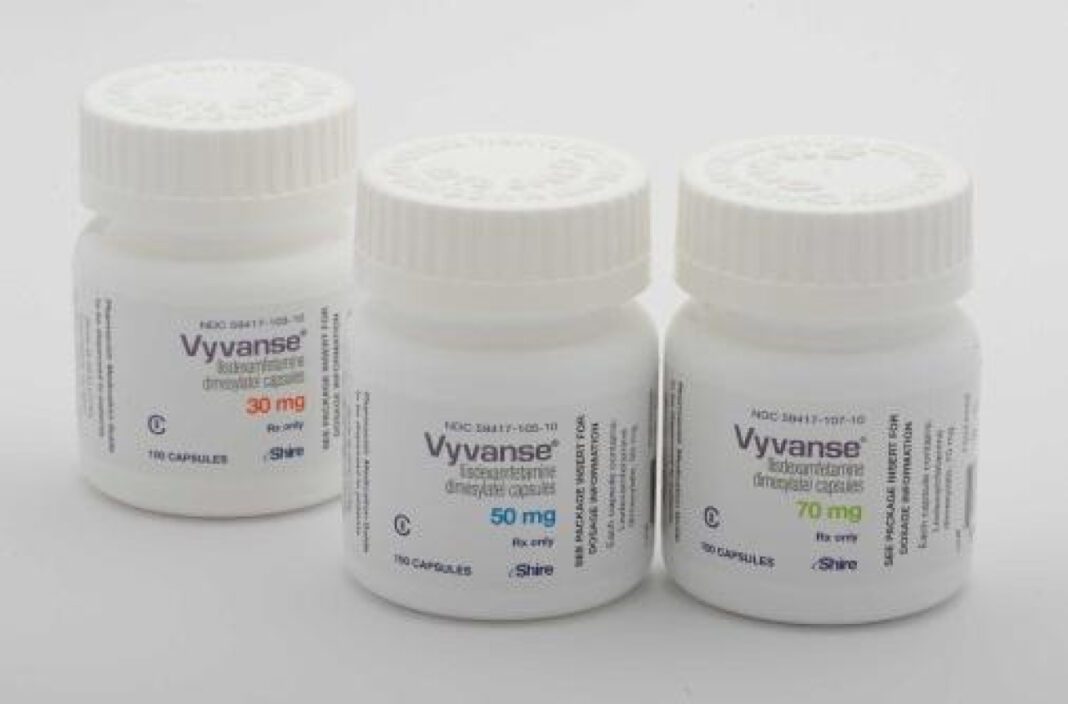
Attention-deficit/hyperactivity disorder (ADHD) is a common neurodevelopmental disorder that affects millions of children and adults worldwide. While there are various treatments available for managing ADHD symptoms, two popular medications often prescribed are Vyvanse and Strattera. Both medications have their unique properties and effects, and it can be challenging to determine which one is the best fit for an individual’s specific needs. In this article, we will compare Vyvanse and Strattera, examining their differences, similarities, and the factors that may influence a healthcare provider’s decision to prescribe one over the other.
Table of Contents
- Comparing Vyvanse and Strattera: Understanding the Differences
- Evaluating the Effectiveness of Vyvanse and Strattera for ADHD Treatment
- Side Effects and Safety Considerations of Vyvanse and Strattera
- Making an Informed Decision: Choosing Between Vyvanse and Strattera for ADHD Management
- Q&A
- Concluding Remarks
Comparing Vyvanse and Strattera: Understanding the Differences
When it comes to treating Attention Deficit Hyperactivity Disorder (ADHD), there are several medication options available. Two popular choices are Vyvanse and Strattera, but how do they differ?
Vyvanse is a stimulant medication that contains lisdexamfetamine, which is converted into an active form of amphetamine in the body. It works by increasing the levels of dopamine and norepinephrine in the brain, which helps improve focus and attention. Vyvanse is usually taken once a day and is known for its long-lasting effects, typically providing symptom relief for up to 14 hours.
Strattera, on the other hand, is a non-stimulant medication that contains atomoxetine. It works by selectively inhibiting the reuptake of norepinephrine, which also helps improve focus and attention. Strattera is taken once or twice a day and can take several weeks to reach its full effectiveness.
| Medication | Type | Active Ingredient | Duration of Effect |
|---|---|---|---|
| Vyvanse | Stimulant | Lisdexamfetamine | Up to 14 hours |
| Strattera | Non-Stimulant | Atomoxetine | Full effect in several weeks |
It’s important to note that while both medications are FDA-approved for the treatment of ADHD, they work differently and may have different side effects. Vyvanse has a potential for abuse and dependency, while Strattera does not. It’s essential to consult with a healthcare professional to determine which medication is best for your individual needs.
Evaluating the Effectiveness of Vyvanse and Strattera for ADHD Treatment
When it comes to treating ADHD, both Vyvanse and Strattera have been shown to be effective in reducing symptoms. However, there are some key differences between the two medications that may impact their effectiveness for individual patients.
Vyvanse, a stimulant medication, works by increasing the levels of dopamine and norepinephrine in the brain, which helps to improve focus and attention. It has a fast onset of action, meaning patients may feel its effects within 30 minutes to an hour after taking it. Vyvanse is also long-acting, with effects lasting up to 14 hours, making it a good choice for those who need symptom relief throughout the day.
On the other hand, Strattera is a non-stimulant medication that works by increasing the levels of norepinephrine in the brain. It has a slower onset of action, with patients typically feeling its effects within a week or two of starting the medication. Strattera is also long-acting, with effects lasting up to 24 hours. Because it is not a stimulant, Strattera may be a good choice for patients who cannot tolerate the side effects of stimulant medications.
| Medication | Onset of Action | Duration of Effect | Stimulant/Non-Stimulant |
|---|---|---|---|
| Vyvanse | 30 minutes to 1 hour | Up to 14 hours | Stimulant |
| Strattera | 1-2 weeks | Up to 24 hours | Non-Stimulant |
In conclusion, both Vyvanse and Strattera can be effective for treating ADHD symptoms, but the choice between the two will depend on individual patient needs, preferences, and tolerability of side effects. It is important for patients to work closely with their healthcare provider to determine the best medication for their specific situation.
Side Effects and Safety Considerations of Vyvanse and Strattera
When it comes to managing ADHD symptoms, both Vyvanse and Strattera offer effective treatment options. However, like all medications, they come with their own set of potential side effects and safety considerations that patients should be aware of.
**Vyvanse** is a stimulant medication that works by increasing the levels of certain neurotransmitters in the brain. Common side effects include decreased appetite, dry mouth, and trouble sleeping. In some cases, Vyvanse can also cause more serious side effects such as increased heart rate and blood pressure, as well as the risk of dependence and abuse. It’s important to discuss any concerns or pre-existing health conditions with your doctor before starting Vyvanse.
On the other hand, **Strattera** is a non-stimulant medication that works by selectively inhibiting the reuptake of norepinephrine. Some common side effects of Strattera include nausea, fatigue, and decreased appetite. Strattera also carries a black box warning for the risk of suicidal thoughts and behaviors in children and adolescents. Patients with a history of depression or other mental health conditions should be closely monitored while taking Strattera.
| Medication | Common Side Effects | Serious Side Effects |
|---|---|---|
| Vyvanse | Decreased appetite, dry mouth, trouble sleeping | Increased heart rate and blood pressure, risk of dependence |
| Strattera | Nausea, fatigue, decreased appetite | Risk of suicidal thoughts and behaviors |
It’s crucial to work closely with a healthcare professional when taking either medication to ensure the safest and most effective treatment plan. Always report any new or worsening symptoms to your doctor right away.
Making an Informed Decision: Choosing Between Vyvanse and Strattera for ADHD Management
When it comes to managing ADHD, there are several medication options available. Two popular choices are **Vyvanse** and **Strattera.** Each has its own unique benefits and potential side effects, so it’s important to make an informed decision when choosing between the two.
**Vyvanse** is a stimulant medication that works by increasing levels of dopamine and norepinephrine in the brain. It’s known for its quick onset of action and long-lasting effects, making it a good choice for those who need all-day symptom management. However, it can also cause side effects such as loss of appetite, insomnia, and increased heart rate.
On the other hand, **Strattera** is a non-stimulant medication that works by increasing norepinephrine levels in the brain. It’s often chosen by those who prefer a non-stimulant option or who have had negative reactions to stimulant medications in the past. Strattera has a slower onset of action and may take several weeks to reach its full effect, but it can also cause fewer side effects compared to stimulant medications.
Here’s a quick comparison of the two medications:
| Medication | Class | Onset of Action | Common Side Effects |
|---|---|---|---|
| Vyvanse | Stimulant | Quick | Loss of appetite, insomnia, increased heart rate |
| Strattera | Non-stimulant | Slow | Dry mouth, nausea, decreased appetite |
Ultimately, the choice between Vyvanse and Strattera will depend on your individual needs and medical history. It’s important to have an open and honest conversation with your doctor about your symptoms and any concerns you may have in order to make the best decision for your ADHD management.
Q&A
Q: What are Vyvanse and Strattera?
A: Vyvanse and Strattera are both medications used to treat attention deficit hyperactivity disorder (ADHD).
Q: How do Vyvanse and Strattera work differently?
A: Vyvanse is a stimulant that works by affecting certain chemicals in the brain to help with impulse control and hyperactivity. Strattera is a non-stimulant that works by increasing the levels of norepinephrine in the brain, which can help improve attention and reduce impulsiveness and hyperactivity.
Q: What are some common side effects of Vyvanse?
A: Common side effects of Vyvanse may include decreased appetite, insomnia, dry mouth, and irritability.
Q: What are some common side effects of Strattera?
A: Common side effects of Strattera may include nausea, dry mouth, insomnia, and decreased appetite.
Q: Are there any differences in the risk of abuse or dependence between Vyvanse and Strattera?
A: Vyvanse has a higher risk of abuse and dependence compared to Strattera because it is a stimulant medication.
Q: Are there any differences in the duration of action between Vyvanse and Strattera?
A: Vyvanse typically lasts for up to 14 hours, while Strattera may need to be taken once daily.
Q: Are there any differences in the approved age ranges for Vyvanse and Strattera?
A: Vyvanse is approved for use in children 6 years and older, adolescents, and adults. Strattera is approved for use in children 6 years and older, adolescents, and adults.
Q: In summary, what are the main differences between Vyvanse and Strattera?
A: The main differences between Vyvanse and Strattera are their mechanisms of action, potential side effects, risk of abuse and dependence, duration of action, and approved age ranges. It is important to consult with a healthcare professional to determine which medication is best for each individual’s specific needs.
Concluding Remarks
In conclusion, both Vyvanse and Strattera are effective medications for treating ADHD, but they have different mechanisms of action and potential side effects. It is important to work closely with a healthcare provider to determine which medication is the best fit for an individual’s specific needs and circumstances. Both medications may require some trial and error to find the most effective and well-tolerated treatment, but with the right guidance and monitoring, individuals with ADHD can experience significant improvement in their symptoms and overall quality of life. Always consult with a doctor before making any decisions about medication.

