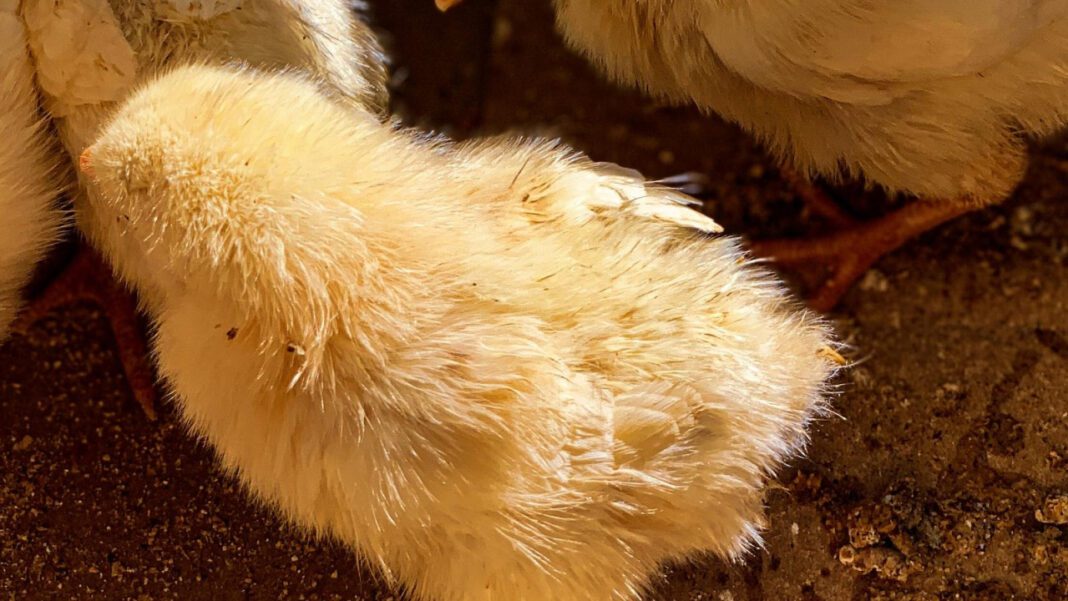
The humble chicken may seem like a simple creature, but within its feathered body lies a fascinating organ: the chicken lung. Often overlooked and underappreciated, these tiny respiratory wonders play a crucial role in keeping chickens alive and thriving. In this article, we will delve into the intricate world of chicken lungs, exploring their unique structure, function, and importance in the avian respiratory system. Join us as we take a closer look at the inner workings of our feathered friends and discover the secrets of the chicken lung.
Understanding Chicken Lungs: Anatomy and Function
When it comes to understanding the respiratory system of chickens, it is important to know that their lungs are quite different from those of mammals. Unlike mammals, chickens do not have a diaphragm to help them breathe. Instead, they rely on a set of air sacs that are connected to their lungs to move air in and out of their bodies.
The anatomy of a chicken’s lung is quite complex. It is made up of tiny air capillaries that are intertwined with blood capillaries, allowing for efficient gas exchange. This means that oxygen can easily be absorbed into the bloodstream while carbon dioxide is expelled. The lungs themselves are relatively small and rigid, taking up only a small portion of the bird’s body cavity.
Functionally, a chicken’s respiratory system is designed for high-efficiency oxygen exchange. Chickens have a high metabolic rate, and their lungs are well-suited to meet the demands of their active lifestyle. The air sacs act as bellows, pushing air through the lungs and ensuring that there is always a fresh supply of oxygen for the bird to breathe.
| Feature | Description |
|---|---|
| Air sacs | Help move air in and out of the lungs |
| Air capillaries | Intertwined with blood capillaries for gas exchange |
| Lung size | Small and rigid, taking up a small portion of the body cavity |
| Metabolic rate | High, requiring efficient oxygen exchange |
Overall, chickens have a highly specialized respiratory system that allows them to thrive in a variety of environments. From running around the farmyard to flying short distances, their lungs play a crucial role in keeping them active and healthy.
Respiratory Health in Chickens: Common Issues and Solutions
Chickens, like all living creatures, need to breathe. Their respiratory system is essential for their survival, but it is also prone to a variety of health issues. Aspergillosis is one of the most common respiratory diseases in chickens, caused by a fungal infection that leads to difficulty breathing and can be fatal if left untreated. Another common issue is Infectious Bronchitis, a highly contagious viral disease that can lead to decreased egg production and respiratory distress.
To keep your flock healthy, it’s important to provide proper ventilation in their living quarters and to practice good biosecurity measures to prevent the spread of disease. Regular cleaning and disinfecting of the coop and equipment can also help reduce the risk of respiratory problems. In addition, providing a balanced diet with appropriate supplements can boost your chickens’ immune system and help them fight off any potential infections.
- Ensure proper ventilation in the coop
- Practice good biosecurity measures
- Regularly clean and disinfect the coop and equipment
- Provide a balanced diet with appropriate supplements
| Respiratory Issue | Symptoms | Solutions |
| Aspergillosis | Difficulty breathing, lethargy | Antifungal medication, improved ventilation |
| Infectious Bronchitis | Respiratory distress, decreased egg production | Vaccination, isolation of infected birds |
If you suspect your chickens are experiencing respiratory issues, it’s important to seek veterinary care as soon as possible. Early intervention is key to preventing the spread of disease and ensuring the health and well-being of your flock.
Boosting Lung Health in Chickens: Best Practices and Preventative Measures
Keeping your chickens healthy involves looking after their respiratory health. Lung health is crucial for chickens, as respiratory issues can quickly spread through a flock and become a serious concern. Here are some best practices and preventative measures to help keep your chicken’s lungs healthy:
- Adequate Ventilation: Ensure that your chicken coop has proper ventilation to allow fresh air in and stale air out. This helps to reduce the build-up of ammonia and other harmful gases that can irritate your chicken’s lungs.
- Regular Cleaning: Keep the coop clean by regularly removing droppings and changing out bedding. This not only reduces odors but also minimizes the risk of respiratory infections caused by bacteria and viruses present in feces.
- Vaccinations: Vaccinate your flock against common respiratory diseases such as Infectious Bronchitis and Avian Influenza. Consult your veterinarian for the best vaccination schedule for your chickens.
Furthermore, preventative measures include monitoring your chickens for any signs of respiratory distress such as coughing, sneezing, or wheezing. Early detection and treatment are key to preventing the spread of disease. Here’s a simple table guide to help you track some common symptoms and actions to take:
| Symptom | Possible Cause | Preventative Action |
|---|---|---|
| Coughing/Sneezing | Dusty Bedding | Improve Bedding Quality |
| Wheezing | Ammonia Buildup | Enhance Ventilation |
| Nasal Discharge | Respiratory Infection | Isolate and Treat Affected Bird |
By following these practices and being vigilant about your chickens’ respiratory health, you can help ensure your flock remains healthy and productive. Remember, a healthy chicken is a happy chicken.
As we dive deeper into the fascinating world of avian respiration, we uncover the intricate workings of the feathered marvels we know as chickens. From the gentle flutter of their plumage to the labyrinthine pathways within their lungs, these seemingly ordinary birds hold secrets of survival that captivate the inquisitive mind.
Combining an intriguing blend of elegance and functionality, feathers play a remarkable role in the breathing process of our poultry friends. Serving not only as a cloak of protection and insulation, these tufts of wonder also contribute to an efficient respiratory system. With each inhale, air dances over the delicate filaments, brushing through minuscule barbs and barbules, thoroughly cleaned as it proceeds towards the lungs. It is here, in the intricate network of air sacs and bronchi, that the magic truly unfolds.
Cascading through an astonishing series of pathways, air moves effortlessly from the bronchi to the microscopic air capillaries within the lungs. These thin-walled sacs, reminiscent of the delicate petals of a flower, exchange carbon dioxide for oxygen with unparalleled precision. Such marvels of evolution ensure that our feathery companions are equipped for a life of constant activity and energetic clucking.
Yet the enchantment within the realm of chicken breathing does not end here. Hidden beneath the very essence of the chicken’s being is the remarkable drum-like pulsating organ—the syrinx. With unparalleled dexterity, this unique vocal instrument secretes a symphony of sounds, from gentle clucks to exuberant crowing, all achieved without the need for their mouths to truly part. A testament to the ingenuity of nature, the syrinx is an emblem of the awe-inspiring musicality infused throughout the avian world.
Through exploring the intricate interplay of feathers and lungs, we uncover a realm of biology that transcends the boundaries of ordinary comprehension. These seemingly unassuming beings, with their intricate respiratory systems and melodic vocalizations, remind us of the extraordinary complexity present in every corner of our natural world.
So, the next time we witness a chicken flock, let us not be fooled by their unassuming demeanor. Behind their humble exterior lies a hidden symphony of breathing, an extraordinary testament to the intricate web of life. As we celebrate the wonder of these marvelous creatures, may we always marvel at the delicate dance of feathers and lungs that keeps them alive and thriving.

