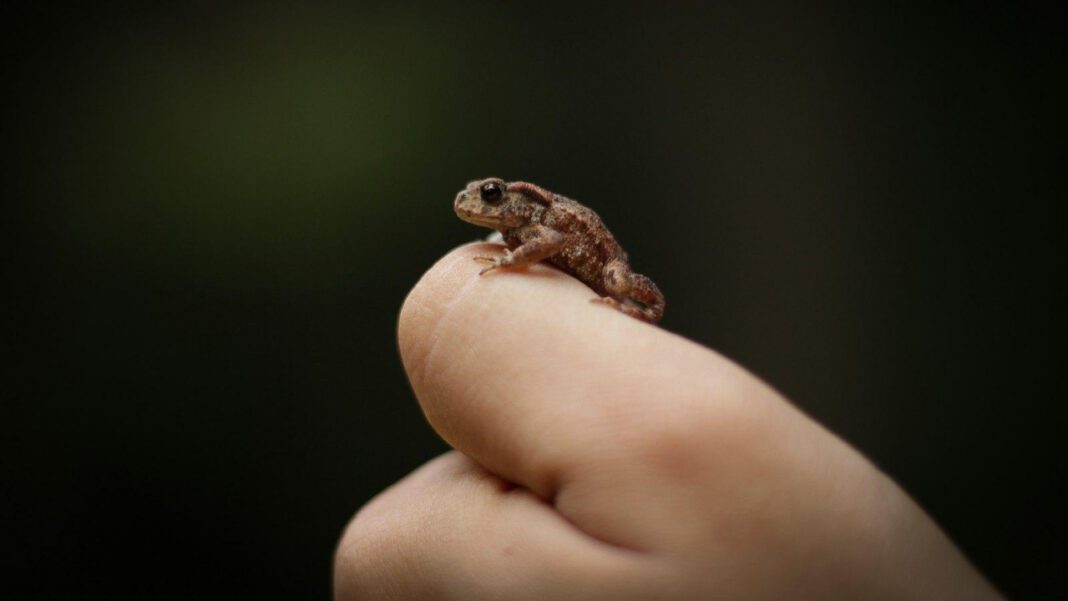
The Titicaca frog, also known as Telmatobius culeus, is a remarkable amphibian species that inhabits the high-altitude waters of Lake Titicaca in the Andes Mountains of South America. With its distinctive appearance and unique adaptations to its extreme environment, the Titicaca frog has long been a subject of fascination for scientists and conservationists. In this article, we will explore the ecological significance of this iconic frog species, as well as the threats it faces and efforts to protect its delicate habitat. Through a thoughtful analysis of its ecological role and conservation status, we aim to shed light on the importance of preserving the Titicaca frog and the fragile ecosystem it calls home. The Titicaca frog, also known as Telmatobius culeus, is a unique amphibian species that is native to the high-altitude Lake Titicaca in South America. This aquatic frog has several distinct physical features that set it apart from other amphibians. One of its most notable characteristics is its large size, with adults reaching up to 15 centimeters in length. The frog’s skin is also a defining attribute, as it is covered in numerous folds and wrinkles, which help increase its surface area for absorbing oxygen from the water. Additionally, the Titicaca frog has fully webbed feet, enabling it to efficiently maneuver through its aquatic habitat.
In order to survive in its harsh environment, the Titicaca frog has developed various adaptations that allow it to thrive at high altitudes where oxygen levels are low. For instance, it has a highly specialized circulatory system that helps it efficiently absorb oxygen from the water, in addition to being able to breathe through its skin. These adaptations make the Titicaca frog uniquely suited to its habitat, but unfortunately, its population is currently facing several threats. Habitat degradation, pollution, and overharvesting for consumption and traditional medicine are some of the factors that have led to a decline in the frog’s numbers.
Conservation efforts are underway to protect the Titicaca frog and its habitat. Local and international organizations are working to raise awareness about the frog’s importance and the need to conserve its environment. Additionally, measures are being taken to regulate the harvest and trade of the frog, as well as to implement sustainable fishing practices in Lake Titicaca. By addressing the environmental factors impacting the Titicaca frog population, these conservation efforts aim to ensure the survival of this unique species for future generations.
Q&A
Q: What is the Titicaca frog and where is it found?
A: The Titicaca frog, also known as Telmatobius culeus, is a unique amphibian species found in the high-altitude lakes of the Andes mountains, specifically in Lake Titicaca, which straddles the border between Peru and Bolivia.
Q: Why is the Titicaca frog significant?
A: The Titicaca frog is significant because it is the largest freshwater frog in the world and is considered a keystone species in the Lake Titicaca ecosystem. It plays a crucial role in maintaining the balance of the lake’s ecosystem.
Q: What are the threats to the Titicaca frog’s survival?
A: The Titicaca frog faces numerous threats to its survival, including pollution from mining and agriculture, over-harvesting for consumption and traditional medicine, and the introduction of non-native species.
Q: What conservation efforts are being made to protect the Titicaca frog?
A: Conservation efforts to protect the Titicaca frog include establishing protected areas, promoting sustainable fishing practices, and raising awareness about the importance of the frog to the ecosystem. Additionally, there are ongoing research and breeding programs to help bolster the frog’s population.
Q: What can individuals do to help protect the Titicaca frog?
A: Individuals can help protect the Titicaca frog by supporting sustainable tourism in the Lake Titicaca region, avoiding the consumption of frog products, and advocating for stronger environmental regulations to protect the lake and its inhabitants. Additionally, supporting organizations and initiatives focused on the conservation of the Titicaca frog can also make a positive impact.
Concluding Remarks
In conclusion, the Titicaca frog remains a fascinating and elusive species, emblematic of the unique biodiversity found in the high-altitude lakes of the Andes. With its striking appearance and important ecological role, this amphibian serves as a valuable indicator of the health of its habitat. As conservation efforts continue to safeguard the fragile ecosystems of Lake Titicaca, it is essential to prioritize the protection of the Titicaca frog and its environment. By understanding and valuing the significance of this iconic species, we can better appreciate the interconnectedness of all life on Earth and work towards a sustainable future for generations to come.

