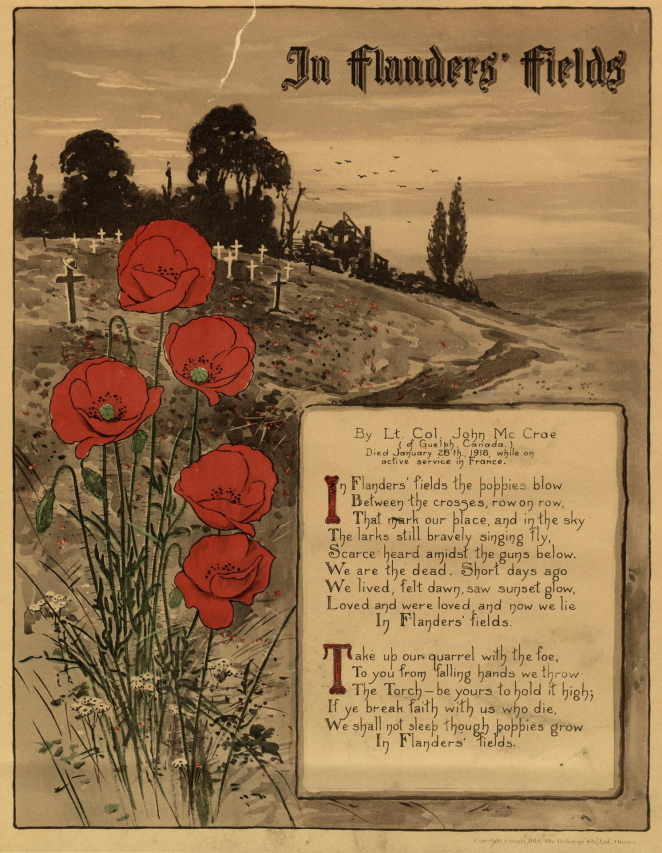
Flanders Fields, a name that evokes a deep sense of emotion and reverence, is a place that holds a special significance in the hearts of many. Located in the West Flanders region of Belgium, this hallowed ground is the final resting place for thousands of soldiers who lost their lives during the First World War. The haunting beauty of the poppy-strewn fields serves as a poignant reminder of the sacrifices made by those brave men and women who fought for freedom and peace. As we delve into the history and legacy of Flanders Fields, we are reminded of the enduring impact of war and the importance of honoring those who have fallen.
Table of Contents
- The Poignant History of Flanders Field
- Exploring the Hallowed Ground of World War I
- A Journey to Remember: Visiting Flanders Field Today
- Honoring the Fallen: How to Pay Your Respects at Flanders Field
- Q&A
- To Conclude
The Poignant History of Flanders Field
Flanders Field is located in the West Flanders region of Belgium, near the town of Ypres. It is a place of great historical significance, as it was the site of some of the bloodiest battles of World War I. The field is now home to the Ypres Salient, a series of war cemeteries and memorials that honor the fallen soldiers who fought there.
During the war, the area was heavily contested by both Allied and German forces, and it saw some of the most intense fighting of the conflict. The landscape was devastated by artillery fire, and the once beautiful fields were turned into a muddy, cratered wasteland. It is estimated that over half a million soldiers died in the battles that took place in and around Flanders Field.
Today, visitors can pay their respects at the Menin Gate Memorial to the Missing, which bears the names of over 54,000 soldiers who have no known grave. The In Flanders Fields Museum also offers a poignant look at the history of the area, with exhibits that tell the stories of the soldiers who fought and died there. Flanders Field is a place of great sorrow, but also a testament to the bravery and sacrifice of the men who gave their lives for their countries.
| Memorial | Number of Names |
|---|---|
| Menin Gate Memorial to the Missing | 54,000+ |
| Ypres Salient War Cemeteries | Thousands |
Exploring the Hallowed Ground of World War I
Flanders Field, also known as Ypres Salient, is located in the west of Belgium in the province of West Flanders. It was here, during World War I, that some of the most intense and bloodiest battles took place. Today, it serves as a poignant reminder of the countless lives lost and the tremendous sacrifices made during the war.
The area is home to numerous cemeteries and memorials, including the Tyne Cot Cemetery, which is the largest Commonwealth War Graves Commission cemetery in the world. It is also where the famous Menin Gate Memorial can be found, bearing the names of more than 54,000 soldiers who went missing in action in Belgium and have no known grave.
Visitors to Flanders Field can also explore the In Flanders Fields Museum, which is located in the historic Cloth Hall of Ypres. The museum offers a deeply moving and educational experience, with interactive exhibits that tell the story of the war from the perspective of those who lived and fought in it.
Below is a table with some of the must-visit sites in Flanders Field:
| Site | Location | Significance |
|---|---|---|
| Menin Gate Memorial | Ypres | Memorial for missing soldiers |
| Tyne Cot Cemetery | Passchendaele | Largest CWGC cemetery |
| In Flanders Fields Museum | Ypres | Interactive WWI museum |
Visiting Flanders Field is a powerful and humbling experience, serving as a stark reminder of the true cost of war and the importance of peace.
A Journey to Remember: Visiting Flanders Field Today
For those seeking to pay homage to the brave soldiers who fought in World War I, Flanders Field is a must-visit destination. Located in the West Flanders region of Belgium, this historic site is where some of the deadliest battles took place, and where thousands of soldiers lost their lives.
The Menin Gate Memorial in Ypres is a focal point for visitors, inscribed with the names of over 54,000 missing Commonwealth soldiers. Nearby, the Tyne Cot Cemetery is the largest Commonwealth war cemetery in the world, with nearly 12,000 graves and a memorial to the missing. Other notable sites include the In Flanders Fields Museum, which tells the story of the war in the region through interactive exhibits and personal stories.
Visiting these hallowed grounds can be an emotional experience, but it is also a chance to reflect on the sacrifices made by so many. The landscape, once scarred by trenches and craters, is now a peaceful countryside, but the memory of what happened here remains.
| Site | Location | Visiting Hours |
|---|---|---|
| Menin Gate Memorial | Ypres, Belgium | Dawn to Dusk |
| Tyne Cot Cemetery | Passchendaele, Belgium | 8 AM – 6 PM |
| In Flanders Fields Museum | Ypres, Belgium | 10 AM – 6 PM |
Honoring the Fallen: How to Pay Your Respects at Flanders Field
Flanders Field is a hallowed ground located in the West Flanders region of Belgium. It was the site of some of the most brutal battles of World War I, where many soldiers made the ultimate sacrifice. Today, it is a place of remembrance and reflection, where visitors can pay their respects to those who gave their lives for their country.
When visiting Flanders Field, there are several ways to honor the fallen:
- Visit the Commonwealth War Graves, where you can see the final resting place of thousands of soldiers from the British Commonwealth. The immaculately maintained cemeteries are a powerful reminder of the cost of war.
- Take a moment to reflect at the Menin Gate Memorial, which bears the names of over 54,000 soldiers who have no known grave. The daily Last Post ceremony, held at 8 pm, is a moving tribute to their memory.
- Explore the In Flanders Fields Museum, which tells the story of the First World War through interactive exhibits and personal accounts. The museum also offers educational programs and guided tours of the battlefields.
Here is a table with the visiting hours for the main memorial sites at Flanders Field:
| Memorial Site | Visiting Hours |
|---|---|
| Commonwealth War Graves | Daily, 9 am – 5 pm |
| Menin Gate Memorial | Open 24/7, Last Post Ceremony at 8 pm |
| In Flanders Fields Museum | Tuesday to Sunday, 10 am – 6 pm |
By visiting Flanders Field and participating in these acts of remembrance, we can ensure that the sacrifice of those who fought and died in the Great War is never forgotten.
Q&A
Q: What is Flanders Field?
A: Flanders Field is a World War I battlefield in Belgium, known for its significance in the war and for inspiring the famous poem “In Flanders Fields” by Lieutenant Colonel John McCrae.
Q: Where exactly is Flanders Field located?
A: Flanders Field is located in the province of West Flanders in Belgium, near the town of Ypres.
Q: Why is Flanders Field significant?
A: Flanders Field holds significant historical and emotional value as it was the site of intense fighting during World War I and is now a symbol of remembrance for those who lost their lives in the conflict.
Q: How can people visit Flanders Field today?
A: Flanders Field is now a memorial site and can be visited by tourists and those wishing to pay their respects to the fallen soldiers. There are guided tours, museums, and memorial ceremonies held at the site.
Q: What emotions are evoked when visiting Flanders Field?
A: Visiting Flanders Field can evoke a wide range of emotions, including sadness, reflection, and gratitude for the sacrifice of those who fought and died on the battlefield. It serves as a powerful reminder of the human cost of war.
To Conclude
In conclusion, the significance of Flanders Fields cannot be overstated. The hallowed grounds hold the memories of countless soldiers who made the ultimate sacrifice for their countries. Visiting Flanders Fields is a powerful and emotional experience, offering a poignant reminder of the horrors of war and the importance of remembrance. As we continue to honor the brave men and women who fought and died in these fields, let us also strive for a world where peace and understanding prevail. Lest we forget.

