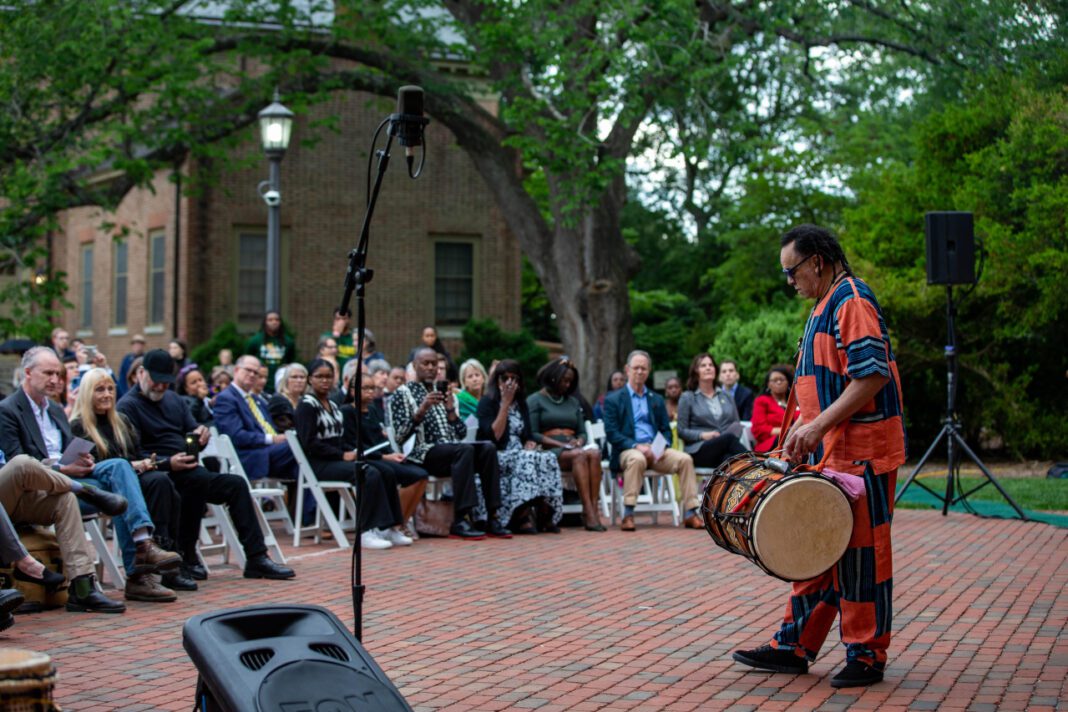
Elegba is a deity in the Yoruba religion of West Africa, known for being the guardian of crossroads and pathways. Within the Yoruba pantheon, Elegba holds a significant role in mediating between humans and the Orishas, acting as a messenger and conduit for communication. Elegba is often depicted as a trickster figure, embodying both mischief and wisdom, and is revered for his ability to bring about change and opportunities. In this article, we will explore the origins, symbolism, and significance of Elegba in the Yoruba tradition.
Elegba: Origin and Cultural Significance
Elegba, also known as Eshu or Exu, is a prominent deity in the Yoruba religion and holds great cultural significance in the African diaspora. Originating from the Yoruba people of Nigeria, Elegba is believed to be the guardian of the crossroads, serving as a mediator between the human world and the spiritual realm. Due to the transatlantic slave trade, Elegba’s worship and influence spread to various regions in the Americas, where he is revered in Afro-Caribbean, Afro-Brazilian, and Afro-Cuban religious traditions.
Key Traits and Characteristics of Elegba in African Diaspora
In the African diaspora, Elegba is often depicted as a trickster figure with complex and paradoxical traits. He is seen as both a child and an old man, representing the cyclical nature of life and the eternal wisdom gained through experience. Elegba is known for his mischievous and unpredictable nature, yet he is also revered as a wise counselor and a protector of the oppressed. He embodies the duality of good and evil, reflecting the interconnectedness of the spiritual and material world.
The Role of Elegba in Yoruba Religion and Practice
The Yoruba religion recognizes Elegba as one of the Orisha, or divine beings, who serves as the messenger of the gods and the keeper of cosmic balance. Elegba is believed to control the pathways of communication between humans and the Orisha, as well as the destinies of individuals. In Yoruba religious practice, Elegba is honored and appeased through rituals and offerings, as he is considered the first among the Orisha to receive reverence and respect. He is often invoked at the beginning of ceremonies and important life events to open the way for blessings and protection. Elegba’s presence is essential in the Yoruba pantheon, and his influence is felt in various aspects of daily life and spiritual practice.
Honoring Elegba: Rituals and Offerings
Elegba is traditionally honored with rituals that involve offerings of food, drink, and other items that hold significance in Yoruba culture. Red palm oil, palm wine, cigars, and roasted corn are commonly presented as offerings to Elegba, symbolizing vitality, sweetness, and sustenance. It is believed that by making offerings to Elegba, devotees can gain his favor and assistance in overcoming obstacles and achieving their goals. Additionally, rituals such as divination and dance are performed to communicate with Elegba and seek guidance from his divine wisdom.
Connecting with Elegba: Tips for Building a Relationship
Building a relationship with Elegba requires an understanding of his dual nature and a willingness to embrace unpredictability and change. To connect with Elegba, it is important to cultivate a sense of openness, adaptability, and respect for the interconnectedness of life. Developing a consistent practice of offering prayers, performing rituals, and acknowledging Elegba’s presence in daily life can create a deep and meaningful connection with this powerful deity. It is essential to approach Elegba with humility and sincerity, as he is known to favor those who show genuine devotion and respect. By building a relationship with Elegba, individuals can gain insight, protection, and guidance in navigating the complexities of existence.
Q&A
Q: What is Elegba?
A: Elegba, also spelled Elegua, is a deity in the Yoruba religion, widely practiced in West Africa, the Caribbean, and the Americas.
Q: What is Elegba’s role in the Yoruba religion?
A: Elegba is the guardian of the crossroads, the messenger of the gods, and the divine trickster. He is seen as a mediator between the human and divine realms and is often petitioned for help and guidance.
Q: What is the significance of Elegba in Yoruba rituals and ceremonies?
A: Elegba is often invoked at the beginning of rituals and ceremonies as a way to open the path for communication with the divine. He is also seen as a protector and is appeased to ensure success and good fortune.
Q: How is Elegba depicted in Yoruba art and iconography?
A: Elegba is often depicted as a young child, an old man, or a man at the crossroads. He is typically shown with a staff, a horn, and a key, symbolizing his role as a gatekeeper and mediator.
Q: How is Elegba worshipped and honored in the Yoruba tradition?
A: Elegba is often worshipped through offerings of food, drink, and other items at crossroads, shrines, or in homes. Devotees also perform rituals and dances to honor and connect with Elegba.
Q: Are there any taboos or specific guidelines for interacting with Elegba?
A: In the Yoruba tradition, there are certain taboos and guidelines for interacting with Elegba, including showing respect, keeping promises, and following specific rituals and offerings. It is important to consult with a knowledgeable priest or practitioner for proper guidance. In conclusion, Elegba is a prominent deity in the Yoruba religion, known for his role as a divine messenger and mediator between humans and the Orishas. His significance in Yoruba cosmology reflects the complexity and diversity of spiritual beliefs within African and Afro-Caribbean traditions. As we continue to explore and learn about different belief systems, it is important to approach them with respect and understanding. Elegba’s enduring presence in various forms of African diaspora religions serves as a testament to the resilience and adaptability of spiritual traditions across the world.

