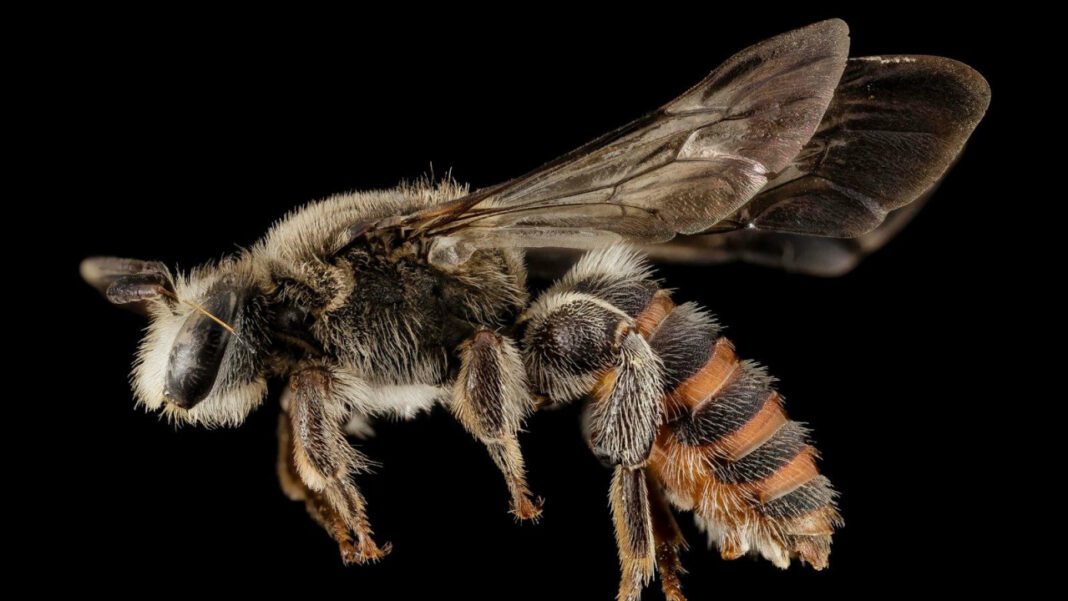
Animal eyes are fascinating structures that have evolved to help a wide variety of species survive and thrive in their respective environments. From the unique vision of birds of prey to the remarkable night vision of nocturnal animals, the diversity of animal eyes is a testament to the ingenuity of nature. Understanding the different adaptations and capabilities of animal eyes can provide valuable insights into the evolutionary strategies of various species. In this article, we will explore the incredible world of animal eyes and delve into the remarkable features that make them so remarkable.
Table of Contents
- Structure and Function of Animal Eyes
- Variety of Eye Structures Among Different Animal Species
- Adaptations for Vision in Nocturnal and Diurnal Animals
- Importance of Eye Health in Domesticated and Wild Animals
- Q&A
- Wrapping Up
Structure and Function of Animal Eyes
Animal eyes are complex sensory organs that provide the ability to see and interpret the surrounding environment. The vary greatly across different species, each adapted to their specific ecological niche and lifestyle. Here, we will explore the diversity of animal eyes and the fascinating ways they have evolved to meet the visual needs of different organisms.
Anatomy of Animal Eyes
Animal eyes consist of several key components that work together to enable vision:
- Cornea: Transparent outer covering that helps focus light onto the lens.
- Lens: Flexible, clear structure that adjusts to focus light onto the retina.
- Retina: Light-sensitive tissue at the back of the eye that contains photoreceptor cells.
Function of Animal Eyes
The primary function of animal eyes is to detect light and form visual images of the surrounding environment. Different species have adapted their eyes for various purposes, such as:
- Nocturnal vision
- Color perception
- Depth perception
Variety of Eye Structures Among Different Animal Species
When it comes to the animal kingdom, the variety of eye structures is truly remarkable. From the complex compound eyes of insects to the keen vision of birds of prey, each species has developed unique adaptations to suit their specific needs.
Some fascinating examples of eye structures among different animal species include:
- Vertebrate Eyes: Most mammals, birds, reptiles, and some fish have similar eye structures with a lens, iris, and retina.
- Compound Eyes: Insects such as bees and dragonflies have compound eyes, which are made up of many individual visual units called ommatidia.
- Tapetum Lucidum: This specialized layer of cells found in the eyes of nocturnal animals like cats and owls enhances their ability to see in low light conditions.
| Animal Species | Eye Structure |
|---|---|
| Hawks | Sharp, forward-facing eyes for precision hunting |
| Chameleons | Eye turrets that allow independent 360-degree movement |
| Octopuses | Camera-like eyes with exceptional visual acuity |
Overall, the diversity of eye structures in the animal kingdom is a testament to the incredible adaptability and ingenuity of nature. Each species’ unique eyesight plays a crucial role in their survival and ability to thrive in their respective environments.
Adaptations for Vision in Nocturnal and Diurnal Animals
Animals have evolved various adaptations for their vision depending on whether they are nocturnal or diurnal. These adaptations allow them to navigate and hunt effectively in their respective environments.
Nocturnal Animals:
- Large pupils to allow more light into the eye
- Tapetum lucidum, a reflective layer behind the retina, to maximize available light
- Highly sensitive rod cells for better low-light vision
Diurnal Animals:
- Small pupils to regulate the amount of light entering the eye
- Lack of tapetum lucidum to minimize glare during daylight
- Greater density of cone cells for improved color vision and detail
| Nocturnal Animals | Diurnal Animals |
| Large pupils | Small pupils |
| Tapetum lucidum | No tapetum lucidum |
| High rod cell sensitivity | High cone cell density |
Importance of Eye Health in Domesticated and Wild Animals
When it comes to animals, the importance of eye health cannot be understated. Whether they are domesticated or wild, animals rely heavily on their vision for survival. Eye health in animals is essential for various reasons, including hunting, navigating their environment, and communicating with others of their species. Just like humans, animals can also experience vision problems and diseases that can significantly impact their quality of life.
For domesticated animals such as cats and dogs, regular eye check-ups are crucial to detect any potential issues early on. Furthermore, keeping their eyes clean and free from debris can help prevent infections and other complications. In the case of wild animals, conservation efforts often include monitoring and treating eye-related conditions to ensure their well-being in their natural habitats. Ultimately, maintaining good eye health in animals is not only important for their individual welfare but also for the balance of their ecosystems.
Q&A
Q: What makes animal eyes different from human eyes?
A: Animals have a wide variety of eye shapes, sizes, and special features that help them adapt to their environments and lifestyles.
Q: What are some examples of unique animal eyes?
A: Examples of unique animal eyes include the compound eyes of insects, the reflective tapetum lucidum in the eyes of cats and dogs, and the wide-set eyes of horses that provide them with a panoramic view.
Q: How do animals use their eyes to communicate?
A: Many animals use their eyes to communicate with other members of their species, using eye contact to express emotions, assert dominance, or attract a mate.
Q: How do animals’ eyesight compare to that of humans?
A: While some animals have better night vision or sharper color perception than humans, others may have more limited vision. Each species’ eyesight is well-suited to their specific needs and abilities.
Q: What are some adaptations that animals have developed for their eyesight?
A: Animals have developed various adaptations for their eyesight, such as specialized lenses for underwater vision, protective eyelids for hunting in dusty environments, and the ability to see ultraviolet light for finding food or communicating with others.
Wrapping Up
In conclusion, animal eyes are a fascinating and diverse topic within the animal kingdom. From the complex visual systems of birds of prey to the unique adaptations of deep-sea creatures, the variety of animal eyes is truly remarkable. By studying and understanding the different types of animal eyes, we can gain a greater appreciation for the complexity and beauty of the natural world. Whether it’s for hunting, navigation, or communication, animal eyes serve a wide range of purposes and continue to inspire researchers and nature enthusiasts alike. As we continue to explore and learn more about the incredible world of animal eyes, we are sure to uncover even more awe-inspiring discoveries.

